Is Green Hydrogen Dholera's Next Power Play?
In this story
Solar power has one big weakness: the sun sets. For a region like Dholera, which is betting its future on power-hungry industries such as chip fabs and AI data centres, that matters. The answer many experts point to is a new layer of clean energy: batteries to store solar power and hydrogen to carry energy across time and into heavy industry. And the green hydrogen Gujarat story is moving faster than most people realise.
Why should anyone watching Dholera care? Because energy decides which industries come to a city. A place that can offer clean power around the clock, not just in the afternoon, becomes far more attractive to global manufacturers with climate targets to meet.
So who is building this new energy layer, and where does Dholera fit in?
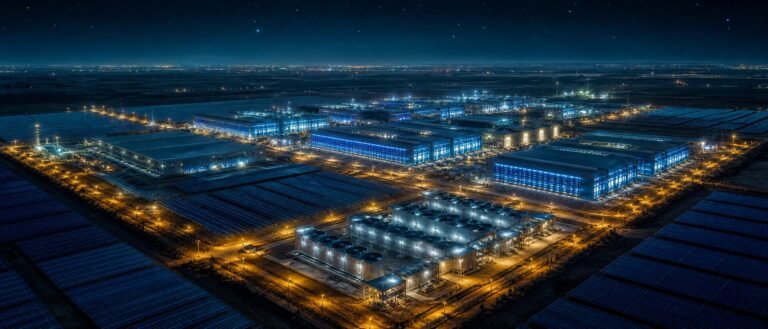
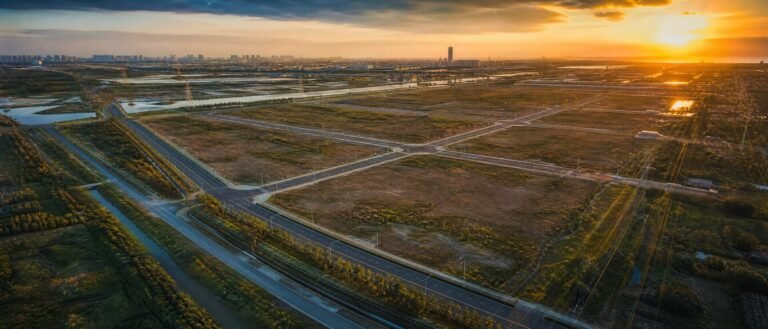
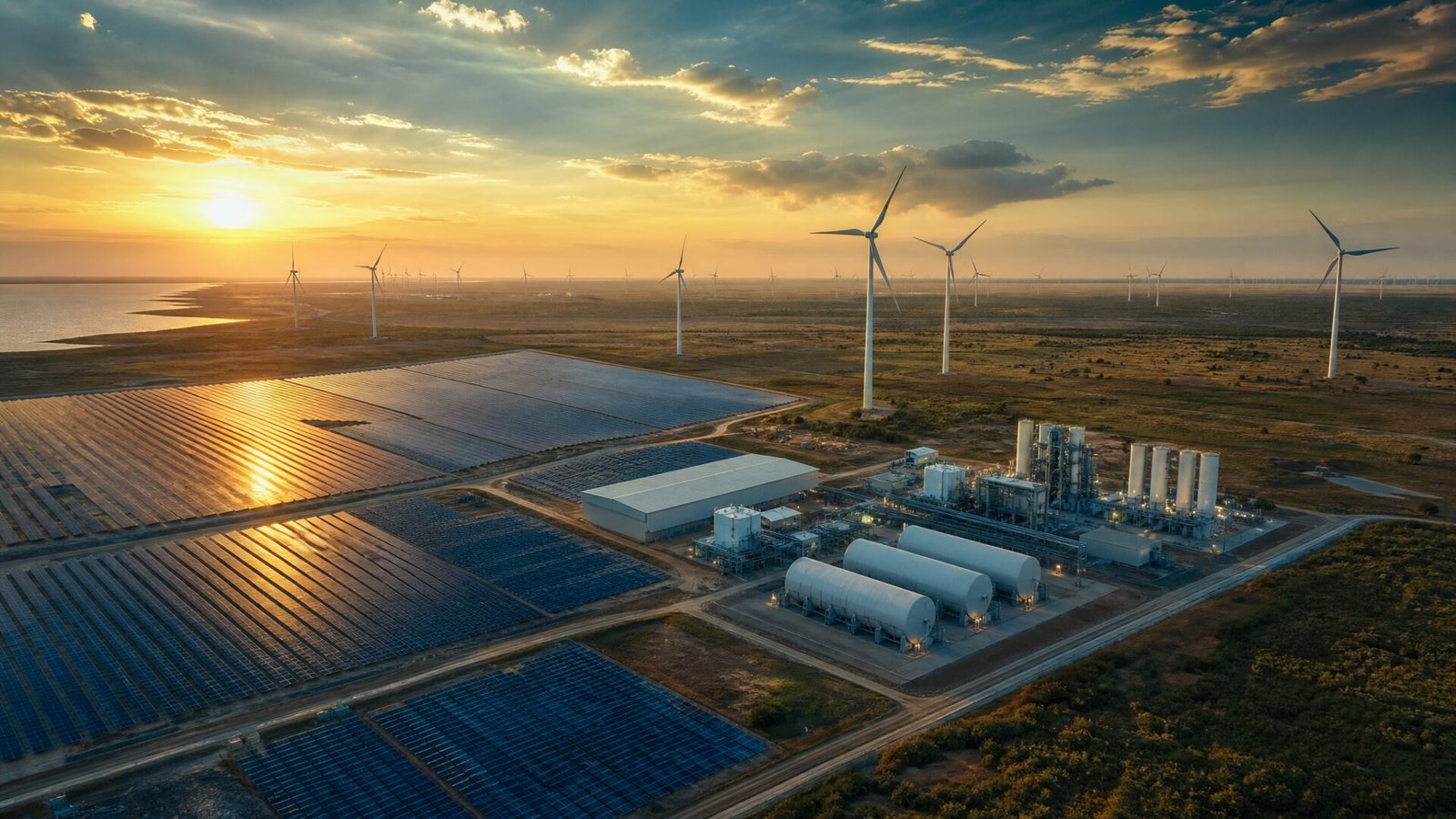
A little context first. Dholera Special Investment Region already hosts one of India’s most ambitious solar projects, the Dholera solar park, planned to reach about 5 GW by 2030. It is home to the Tata Electronics chip fab under construction and has attracted a 250 MW green AI data centre plan from L&T Vyoma. All of these need steady, clean electricity.
At the national level, India’s National Green Hydrogen Mission, launched in 2023, aims to build a large domestic green hydrogen industry by 2030. Gujarat, with its sunshine, coastline, ports and industrial base, is one of the states best placed to lead it.
What Is Green Hydrogen, and Why Does Gujarat Want It?
Green hydrogen is made by splitting water into hydrogen and oxygen using an electrolyser powered by renewable electricity. Unlike hydrogen made from natural gas, it produces no carbon emissions at the point of production. It can be used as a clean fuel for heavy industry, as a raw material for fertilisers and chemicals, or as a way to store large amounts of energy.
- For heavy industry: it can replace fossil fuels in processes that are hard to electrify.
- For storage: surplus solar power can be turned into hydrogen and used later.
- For exports: coastal states can ship green hydrogen or its products abroad.
Green hydrogen Gujarat plans build on the state’s existing strengths: huge solar potential, ports, chemical industries and experience with large infrastructure projects.
Batteries: the faster, simpler partner
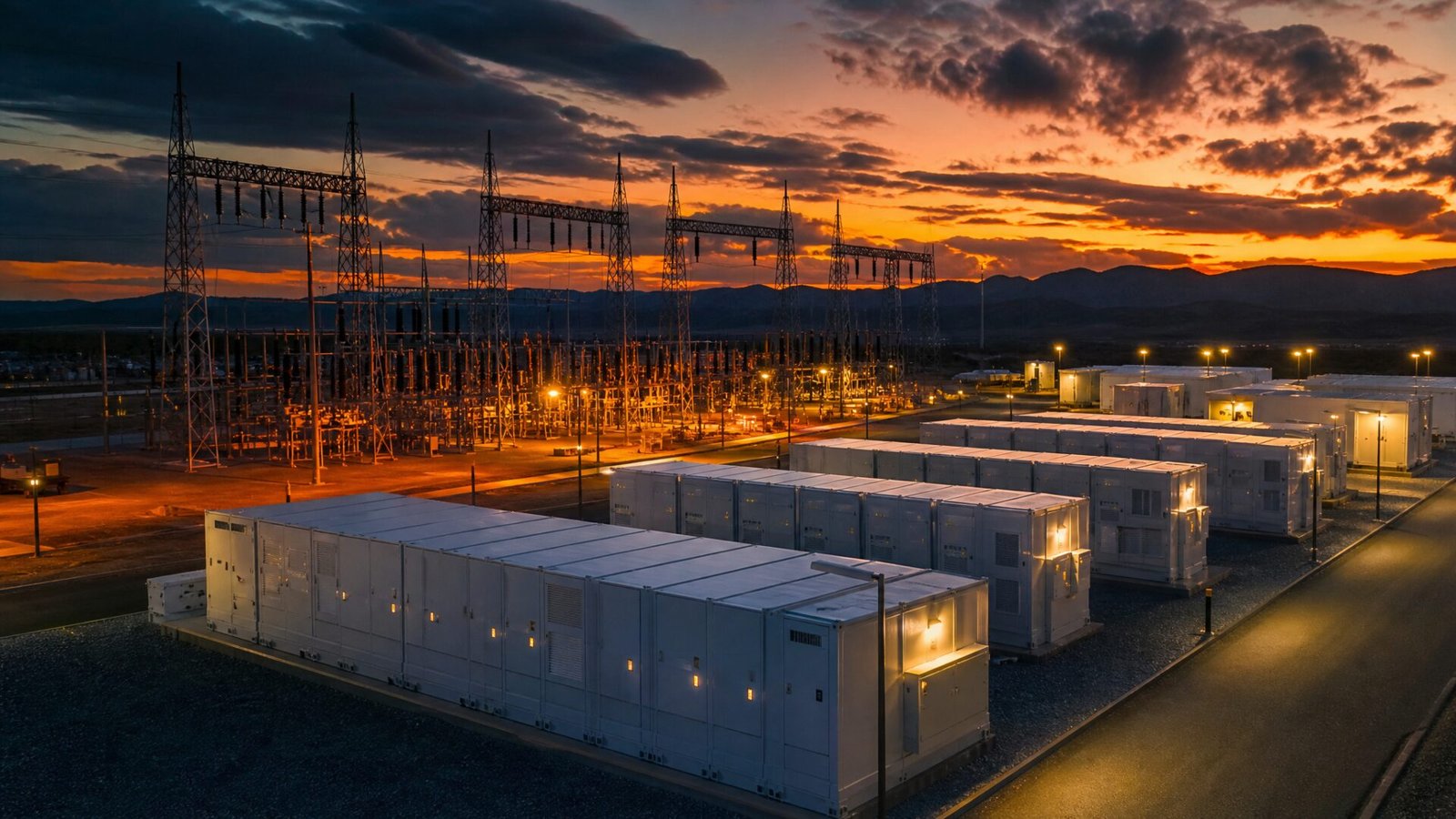
Hydrogen is a long-term play. Battery energy storage systems (BESS) are the near-term workhorse. Large battery banks can soak up solar power during the day and release it in the evening, smoothing supply for factories and homes. Together, batteries and hydrogen can turn a solar-heavy grid into one that works 24 hours a day.
Green hydrogen Gujarat: the building blocks
Every green hydrogen Gujarat project needs the same four building blocks: cheap renewable power, electrolysers, water and a buyer for the hydrogen. Gujarat scores well on all four. Its solar and wind resources are among the best in India. Electrolyser assembly is starting inside the state. Treated and desalinated water can be supplied along the coast. And the state’s refineries, fertiliser plants and chemical industries are natural customers.
- Power: large solar parks, including the Dholera solar park.
- Equipment: new electrolyser and battery factories in the state.
- Water: treated water networks and future desalination.
- Demand: refineries, fertilisers, chemicals and heavy industry.
That combination is why green hydrogen Gujarat plans keep attracting new companies, and why regions with spare land and strong solar resources, like Dholera, are worth watching.
The Advait Move: A Green Hydrogen Gujarat Case Study
One company showing where the industry is heading is Advait Greenergy, part of the Advait Energy group. In March 2026, it signed a string of agreements covering green hydrogen, solar and battery storage, as reported by pv magazine India:
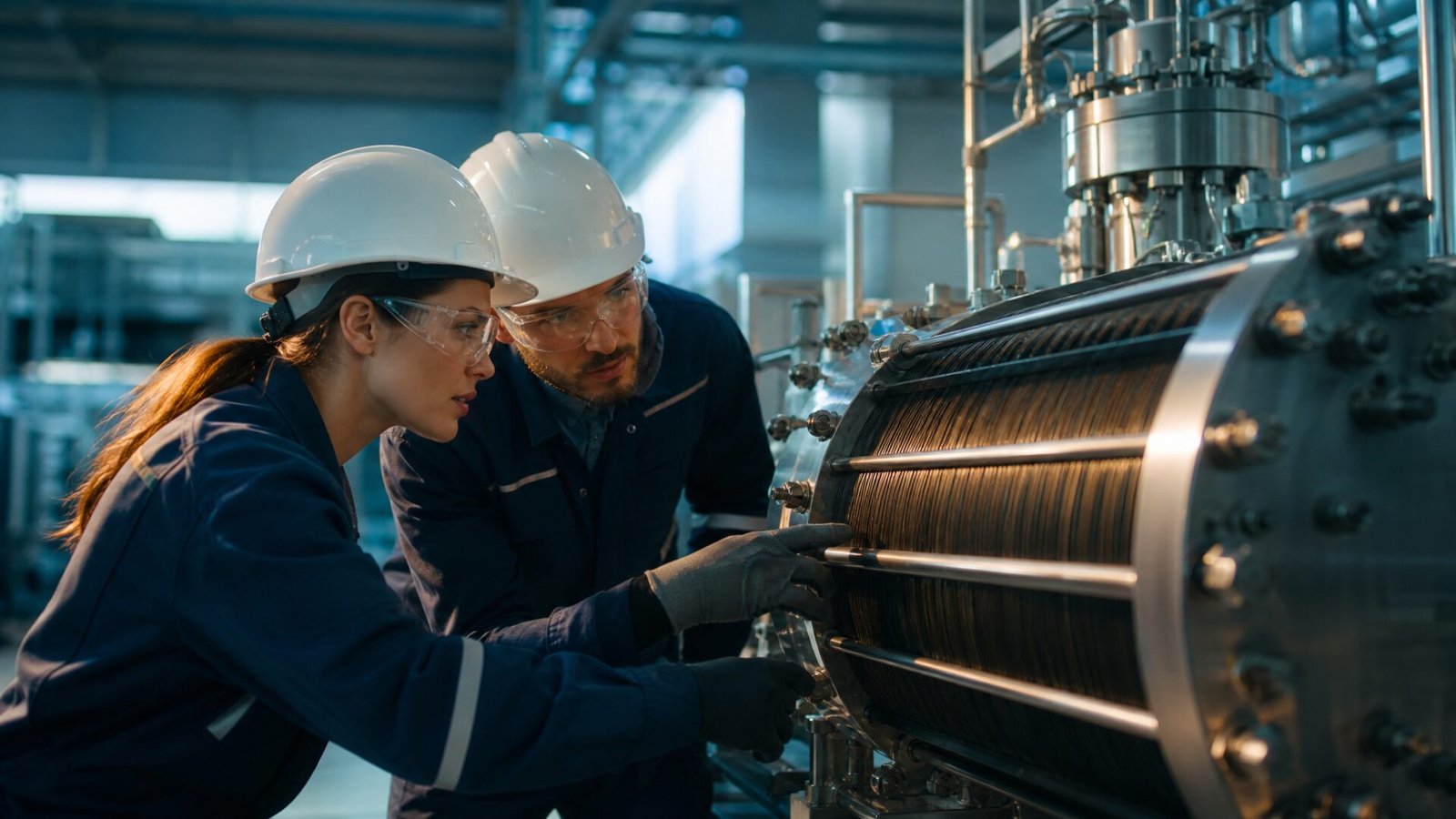
- Electrolysers: a 30 MW alkaline electrolyser assembly facility in Gujarat as Phase I.
- Battery manufacturing: an agreement with China’s HGTECH to design and install a 2.5 GWh battery storage manufacturing line.
- Green hydrogen projects: partnerships with Deep Industries and G Power Solutions to develop and bid for hydrogen projects.
- Solar plus storage: integrated renewable projects with MKC Infrastructure and Hexatron Industries.
- Skills: a tie-up with Ganpat University on hydrogen, solar, storage and fuel cell training.
To be clear, Advait has not announced a specific Dholera project. But its moves show the kind of clean energy manufacturing base now forming in Gujarat, just a short drive from the Dholera SIR.
Why local manufacturing matters
For years, India imported most of its solar panels, batteries and electrolysers. Building them in Gujarat shortens supply chains, cuts costs and creates skilled jobs. For a region like Dholera, it means the equipment for future clean energy projects could come from factories only a few hours away.
Why Green Hydrogen Gujarat Matters for Industry
For global manufacturers, the source of their electricity is now part of their brand. Car makers, electronics companies and cloud providers have all made climate promises to their customers. That makes green hydrogen Gujarat projects, and the battery storage that comes with them, more than an environmental nice-to-have. They are becoming a deciding factor in where new factories and data centres are built.
A region that can offer clean power around the clock, backed by local equipment manufacturing, has a real edge in winning those investments. That is the opportunity green hydrogen Gujarat plans create for places like Dholera, where the land, the sunshine and the anchor industries are already in place.
How Green Hydrogen Gujarat Plans Could Help Dholera
Put the pieces together and a clear picture emerges. Dholera has the land and sunshine for massive solar. It has the anchor industries that need clean power around the clock. And Gujarat is building the batteries and electrolysers that make round-the-clock clean power possible. Here is how that could play out:
- Round-the-clock green power: batteries and hydrogen can firm up solar for fabs and data centres that never switch off.
- New industries: hydrogen-based fuels, green chemicals and storage manufacturing could find room in Dholera’s industrial zones.
- Global appeal: companies with net-zero targets prefer locations with verified clean power.
- Jobs: clean energy plants need engineers, technicians and operators.
The honest caveats
Green hydrogen is still expensive compared with fossil fuels, and large-scale projects take years to finance and build. Battery prices have fallen fast, but storage at grid scale is still growing. So it is best to see green hydrogen Gujarat plans as a long-term opportunity rather than something that will transform Dholera overnight.
What to watch next
If you want to track green hydrogen Gujarat progress, keep an eye on a few signals: new electrolyser factories starting production, large battery storage projects connected to the grid, and any hydrogen projects announced for industrial zones like Dholera. Each of these shows the clean energy layer getting stronger. Also watch for state policy updates on hydrogen and storage, which often decide where the first large projects go. When green hydrogen Gujarat plans start naming specific industrial parks, that is when the opportunity becomes real for regions like Dholera.
What It Means for Land Buyers
Energy is the foundation that every other industry sits on. Regions that secure cheap, clean, reliable power tend to attract investment for decades. Dholera’s solar park, its planned grid upgrades and Gujarat’s growing clean energy manufacturing base all strengthen that foundation.
For buyers, the takeaway is to focus on locations that will benefit from this broader growth: approved, clear-title land with good access to the SIR, the expressway and the upcoming airport. Gulfin Aerocity, near Pipli junction, was planned with that in mind. As always, returns depend on market conditions, so take your time.
You can also read how global tool makers are backing Dholera’s chip fab in our story on the Tata ASML partnership, or see just how large the region is in our Dholera size breakdown.
The Next Layer of Clean Power
Solar gave Dholera its first clean energy chapter. Batteries and hydrogen could write the next one. The green hydrogen Gujarat push is still early, but the direction is clear: more storage, more electrolysers and more clean energy manufacturing within reach of the SIR. If that continues, Dholera could offer something rare in India: clean power, all day and all night, for the industries of the future.
We share clean energy updates for Dholera on LinkedIn.
Green Hydrogen Gujarat: FAQs
What is green hydrogen?
Hydrogen made by splitting water with an electrolyser powered by renewable electricity, so it produces no carbon emissions at the point of production.
Is Advait building a green hydrogen plant in Dholera?
No specific Dholera project has been announced. In March 2026 Advait Greenergy signed agreements covering a 30 MW electrolyser facility in Gujarat, a 2.5 GWh battery manufacturing line and several hydrogen and solar partnerships.
Why does Dholera need battery storage?
Solar power drops at night, but chip fabs and data centres run 24 hours a day. Batteries store daytime solar and release it when needed.
How big is the Dholera solar park?
It is planned to reach about 5 GW by 2030, making it one of India’s largest solar parks.
Will clean energy raise land prices in Dholera?
Clean, reliable power attracts industry, which supports long-term demand, but price rises are never guaranteed. Always check approvals, title and access before buying.
Follow Gulfin Developers
Site walkthroughs, Dholera updates and new launches, first on our channels.
Recent Posts