A 4,500-Year-Old Secret Next Door to Dholera
In this story
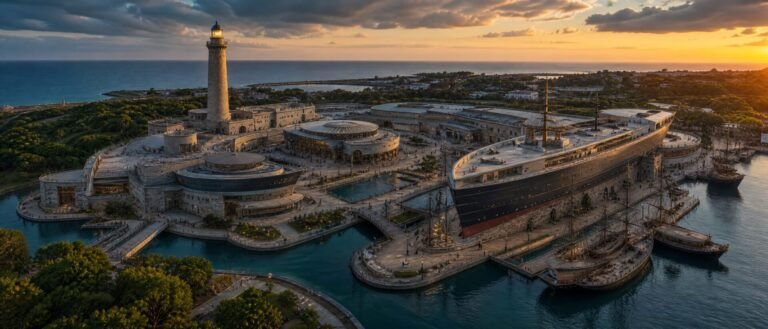
Some 4,500 years ago, ships sailed into a brick-lined dock on the Gujarat coast and unloaded goods from distant lands. That port was Lothal, one of the great cities of the Harappan civilisation. Today, a short drive from Dholera, India is building a world-class museum to tell its story. The Lothal heritage complex, officially the National Maritime Heritage Complex, is now more than 80% complete in its first phase, and it could change how the whole region is seen.
Why should a Dholera investor care about ancient ships? Because tourism is one of the fastest ways to bring people, money and attention to a region. Factories create jobs. Heritage creates visitors. Put the two side by side and you get something rare: a new city with an old soul.
So what exactly is being built at Lothal, and how big could the ripple effect be?
First, the history. Lothal flourished around 2400 BCE and is famous for what many historians consider one of the world’s earliest known dockyards. Its traders dealt in beads, gems, cotton and metals, and its links reached across the Arabian Sea. The site sits in Ahmedabad district, roughly 35 km north of the core of Dholera SIR as the crow flies.
For decades, Lothal was a quiet archaeological stop for school trips and history lovers. The Lothal heritage complex is designed to turn it into a national, and international, destination.
Inside the Lothal Heritage Complex
The National Maritime Heritage Complex is a big project by any measure:
- Size: about 400 acres, including 375 acres for the complex and 25 acres for staff housing.
- Estimated cost: in the range of ₹3,500–4,500 crore.
- Foundation stone: laid by Prime Minister Narendra Modi on 4 March 2019.
- Programme: developed under the Sagarmala scheme, with Tata Projects building Phase 1A.
- The museum: 14 galleries telling India’s maritime story from the Harappan era to the present.
Beyond the museum, plans include themed parks, recreations of ancient Lothal and Dholavira, a maritime institute, hotels and a resort.
Phase 1A: where things stand
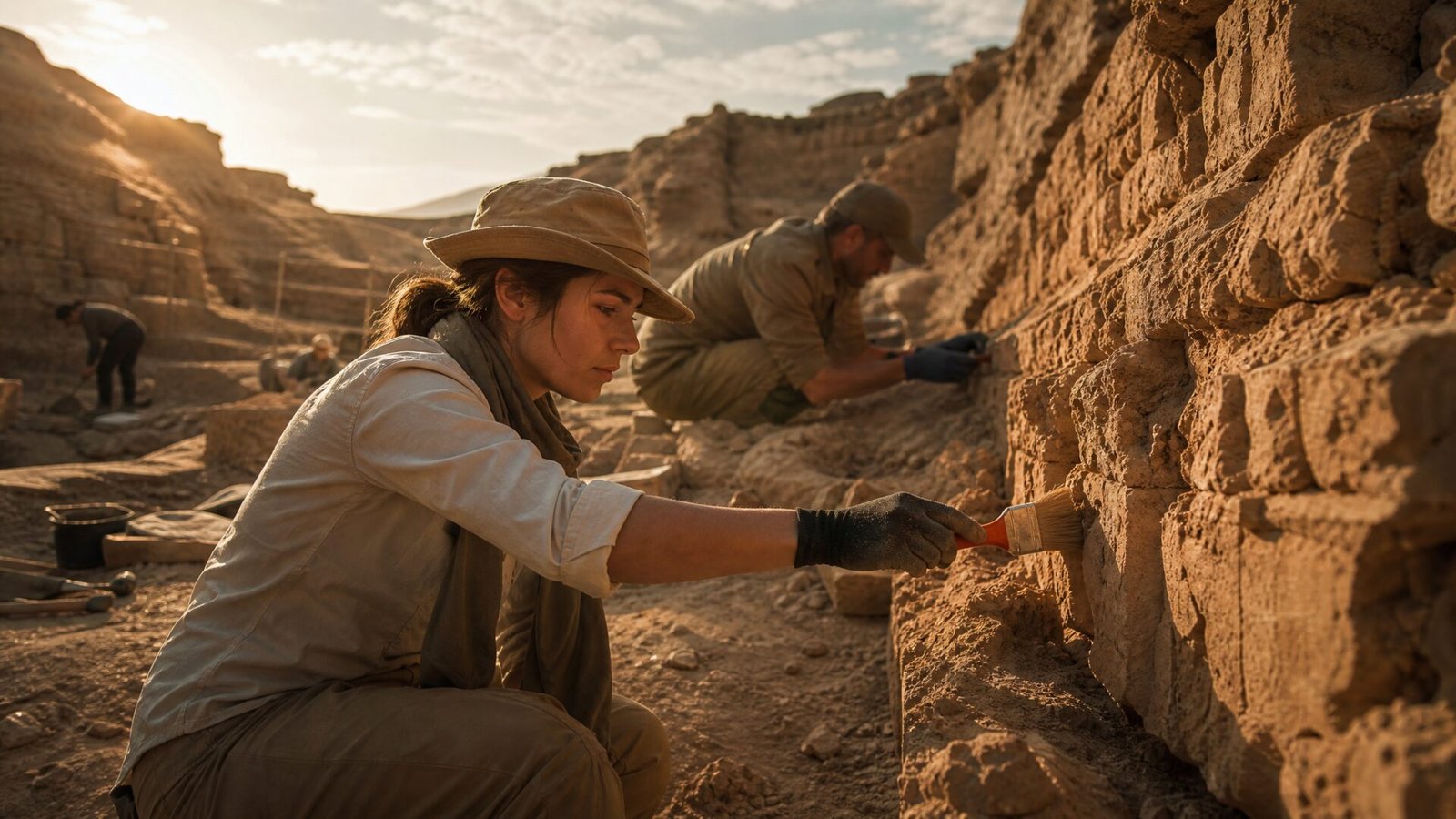
According to a September 2026 DD India report, Phase 1A of the Lothal heritage complex has crossed 82% completion, with a revised target of 31 October 2026. About 1,492 artefacts are ready for installation, while a few galleries and the Lothal Town and aquatic theming works are still being finished. Archaeological excavation by the ASI at the site is reported to be about 70% complete.
What a visit could look like
Imagine a day at the Lothal heritage complex. You start at the ancient dockyard, where the outline of the Harappan port is still visible in the earth. Then you walk into the museum, moving gallery by gallery from the first ships of the Indus Valley to the naval and trading fleets of later centuries. The galleries are designed to be immersive, with ship replicas, artefacts and multimedia displays rather than dusty glass cases.
After lunch, families could explore the themed parks or the recreated streets of ancient Lothal, while students head to the research areas. In later phases, the lighthouse museum and dome theatre could round off the evening. This is the kind of experience that turns a day trip into a weekend, and weekends are what fill hotels.
13 Nations, One Maritime Story
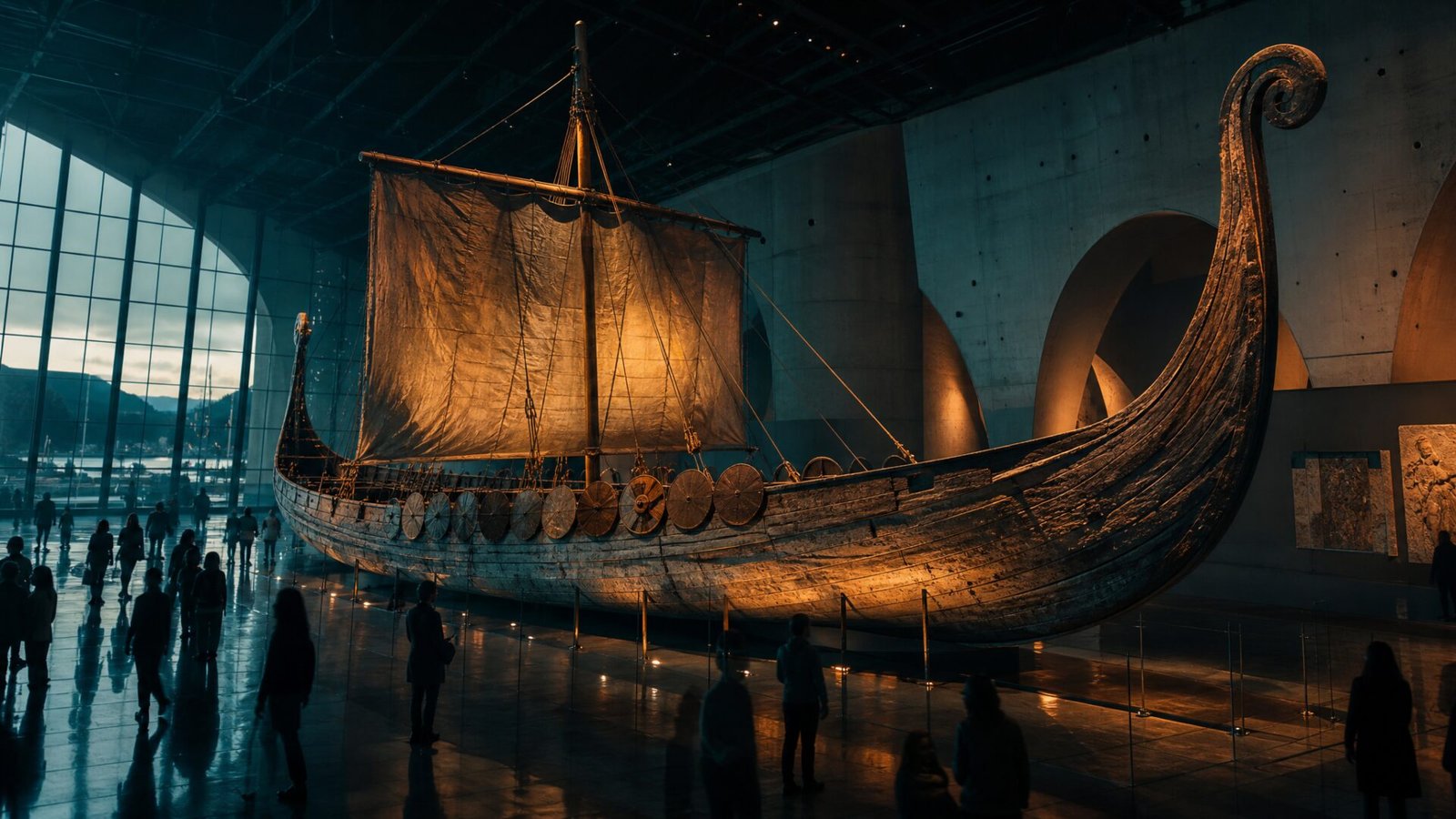
One of the most striking parts of the project is its global reach. Thirteen countries have signed agreements to take part, including Portugal, the UAE, Vietnam, Thailand, the Netherlands, Denmark, Oman, Israel, Germany, South Korea, Italy, New Zealand and Singapore. More than 35 further partnerships are being targeted.
That matters for two reasons. It gives the Lothal heritage complex content and credibility that a purely local museum could never have. And it puts the region on the radar of foreign tourists, diplomats and cultural institutions, the kind of visitors who tend to spend more and stay longer.
What comes after Phase 1A
Later phases are even more ambitious. Plans for Phase 1B and Phase 2 include:
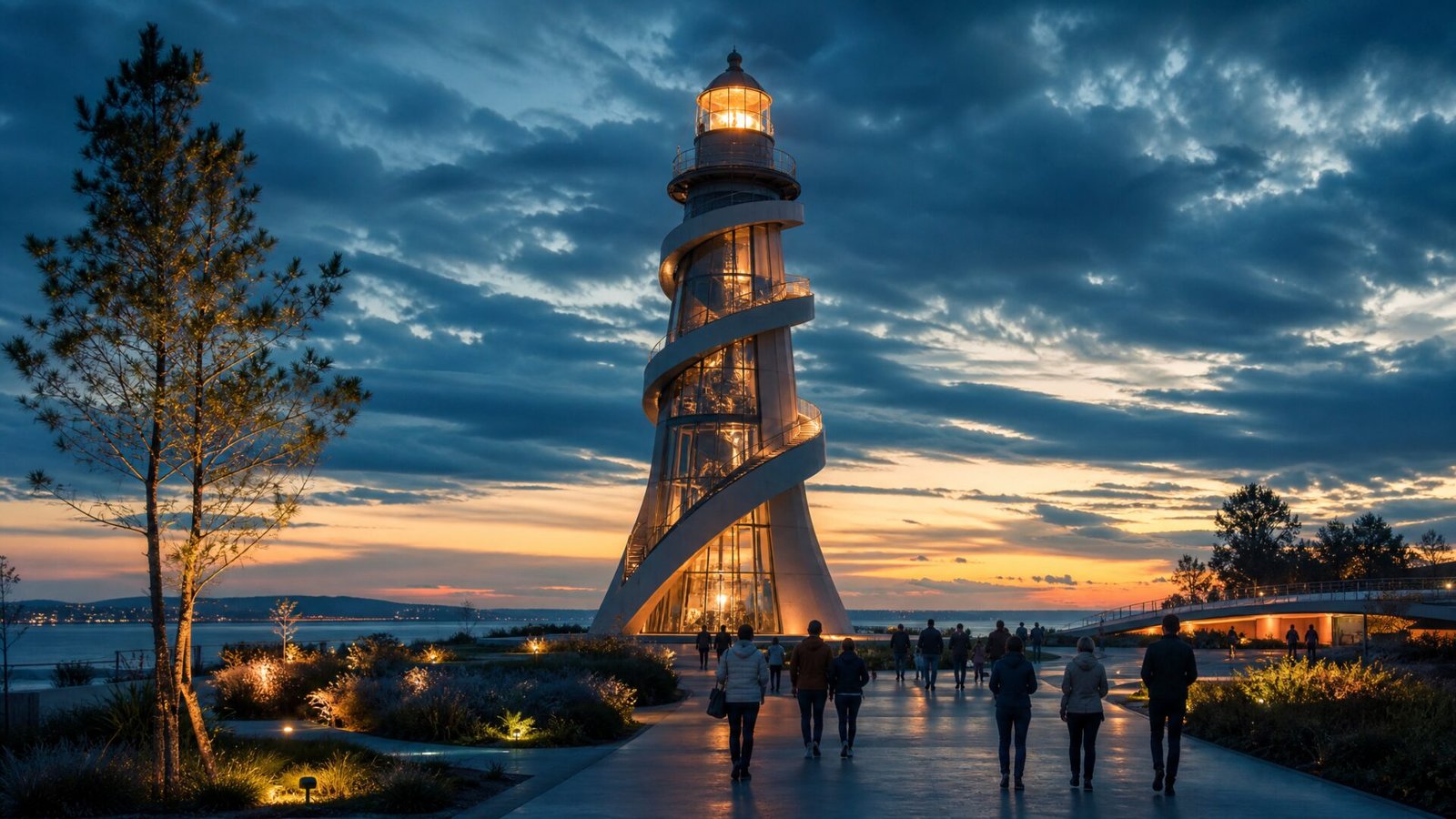
- A lighthouse museum planned as the world’s tallest.
- A 5D dome theatre.
- A Coastal States Pavilion celebrating India’s maritime states.
- A maritime research institute, working with the Indian Maritime University.
- A museum hotel and an eco-resort.
Taken together, this could make the Lothal heritage complex a full-day or even multi-day destination rather than a quick stop.
Why the Lothal heritage complex is different
Most museums in India grew slowly over decades. The Lothal heritage complex is being designed as a complete destination from the start, with a museum, parks, research, hotels and transport planned together. It is also tied to a real archaeological site, which gives visitors something no replica can match: the chance to stand where Harappan sailors once stood. That mix of authenticity and modern design is what makes the Lothal heritage complex worth watching closely.
The Ripple Effect on Dholera
Here is where it gets interesting for Dholera. Tourist destinations need hotels, restaurants, transport, guides and shops. Visitors need good roads and, increasingly, an airport. Dholera is building exactly that kind of infrastructure, just down the road.
- Access: the Ahmedabad–Dholera Expressway is complete, and the upcoming Dholera International Airport could bring visitors in by air.
- Hospitality: a heritage site with global partners creates steady demand for hotels and resorts.
- Jobs: tourism jobs in hospitality, transport and retail complement the industrial jobs at the chip fab and data centres.
- Identity: a city that is known for both chips and culture is more attractive to families and professionals.
Why heritage and industry work well together
Cities that mix work with leisure tend to be better places to live. Engineers at the Tata semiconductor fab will want weekend outings. Visiting business partners will want something to see. The Lothal heritage complex gives Dholera a cultural anchor that most new industrial cities simply don’t have.
Lessons From Other Heritage Destinations
India already has many examples of how a major heritage attraction can reshape its surroundings. Well-run monuments and museums bring a steady stream of domestic tourists, school groups and international travellers, and a whole service economy grows around them: homestays, restaurants, taxi operators, craft shops and guides. The best-managed sites also attract events, conferences and film shoots.
The Lothal heritage complex has some advantages that many older sites lack. It is being planned from scratch, with parking, visitor facilities and transport links built in. It has international partners from day one. And it sits beside a smart city that is building an airport, an expressway and new housing. If it is managed well after opening, the Lothal heritage complex could become one of Gujarat’s signature attractions, alongside places like the Statue of Unity.
- Short term: visitor footfall, local jobs and small businesses around the site.
- Medium term: hotels, resorts and tour circuits that link Lothal, Dholera and Ahmedabad.
- Long term: a regional identity that combines heritage, industry and modern city living.
What It Means for Land Buyers
Heritage-led tourism tends to lift demand for land along the routes visitors use and around the sites themselves, especially for hospitality and commercial use. It is a slower, steadier kind of growth than an industrial boom, but it lasts. That said, no one can promise how quickly prices will move, and tourism numbers depend on how well the complex is run after it opens.
If you are weighing land in the region, look for plots with clear titles, NA approval and easy access to the expressway and the airport, so you benefit from both the industrial and the tourism stories. That is the idea behind Gulfin Aerocity, near Dholera International Airport.
An Old Port, a New Chapter
Lothal was once a gateway between India and the world. With the Lothal heritage complex, it is set to become one again, this time for visitors, scholars and ideas rather than beads and cotton. And right next door, Dholera is building the jobs, roads and airport to welcome them.
We’ll be posting photos and videos from Lothal as it opens. Follow Gulfin Developers on Instagram and YouTube to see it first.
Lothal Heritage Complex: FAQs
What is the Lothal heritage complex?
It is the National Maritime Heritage Complex being built near the ancient Harappan port of Lothal in Ahmedabad district, Gujarat. It will include a 14-gallery maritime museum, themed parks, recreated ancient cities, a lighthouse museum and more.
When will the Lothal heritage complex open?
Phase 1A was reported at more than 82% complete in September 2026, with a revised target of 31 October 2026. Later phases will follow over the coming years.
How far is Lothal from Dholera?
Lothal is roughly 35 km north of the core of Dholera SIR as the crow flies, making it a short drive from the smart city.
Which countries are part of the project?
Thirteen nations have signed agreements, including Portugal, the UAE, Vietnam, Thailand, the Netherlands, Denmark, Oman, Israel, Germany, South Korea, Italy, New Zealand and Singapore.
Will tourism raise land prices around Dholera?
Tourism can increase demand for hospitality and commercial land, but price rises are never guaranteed. Check approvals, title and access before buying.
Follow Gulfin Developers
Site walkthroughs, Dholera updates and new launches, first on our channels.
Recent Posts