Bigger Than Mumbai, Bigger Than Singapore
In this story
Here’s a fact that surprises almost everyone: Dholera is bigger than Mumbai. Not a little bigger, about one and a half times bigger. It is also larger than the entire island nation of Singapore. When people talk about Dholera size, they are talking about one of the largest planned urban regions ever attempted in India.
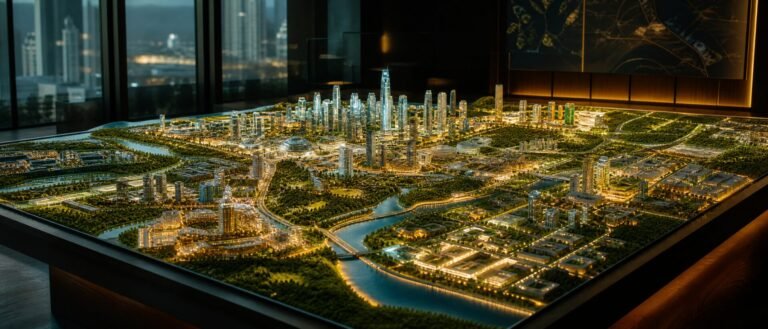
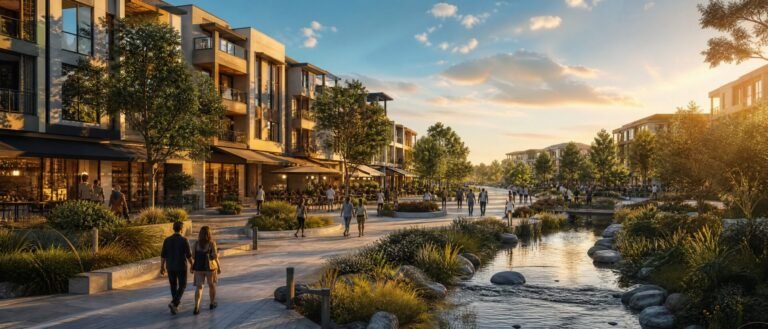
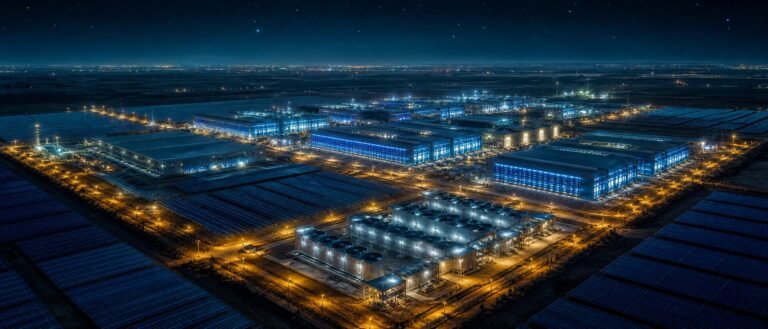
Why does size matter? Because scale changes what a city can become. A small township can host a few factories and some homes. A 920 sq km region can host chip fabs, data centres, an international airport, solar parks, logistics hubs, whole residential districts and green belts, all planned together from day one.
But numbers like “920 sq km” are hard to picture. So let’s put Dholera side by side with places you already know.
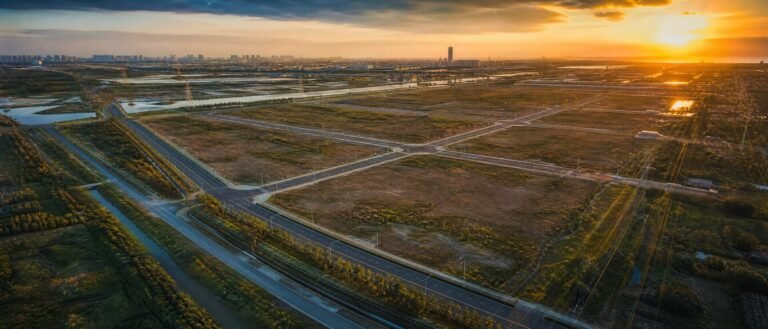
First, the basics. Dholera Special Investment Region sits in Ahmedabad district, Gujarat, on the Gulf of Khambhat, about 100 km from Ahmedabad city. It is part of the Delhi–Mumbai Industrial Corridor and is India’s first greenfield smart city, meaning it is being built on largely open land rather than grafted onto an existing town. Its total area is about 920 sq km.
That open, flat land is exactly what made such a large plan possible. Very few places near a major Indian city still have this much contiguous space.
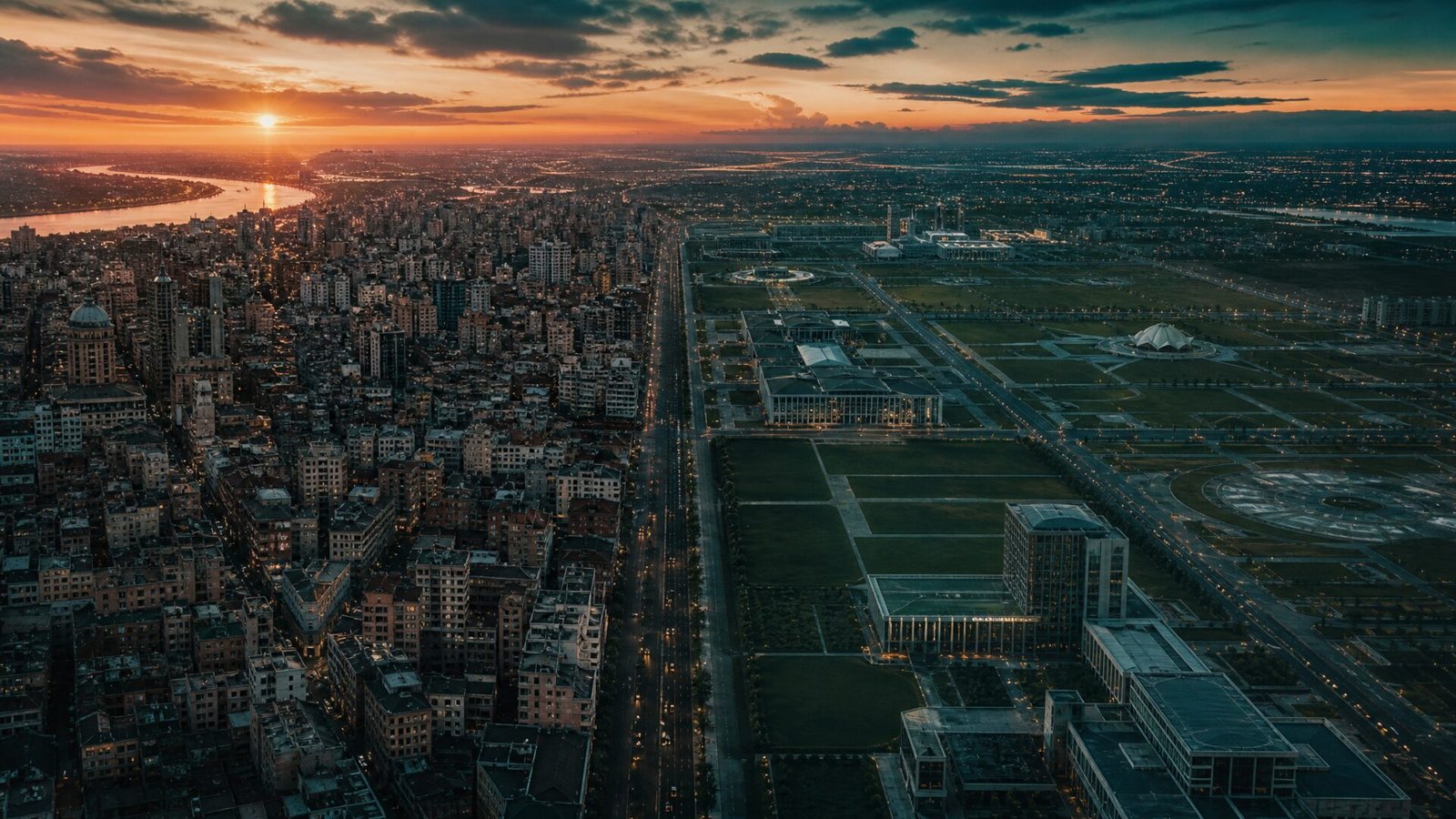
Dholera Size vs Famous Cities
Here’s how Dholera’s roughly 920 sq km compares with some well-known places, using commonly cited land areas:
- Mumbai (about 600 sq km): Dholera is roughly 1.5 times larger.
- Singapore (about 735 sq km): Dholera is roughly 1.25 times larger.
- Delhi (about 1,480 sq km): Dholera is a little over 60% of Delhi’s size.
- Chandigarh (about 114 sq km): Dholera is around eight times larger.
Put simply, Dholera size sits between a mega-metro like Delhi and a compact city-state like Singapore. The difference is that those places grew over decades or centuries. Dholera is being laid out on purpose, with space for industry, housing and nature planned in advance.
A quick visual trick
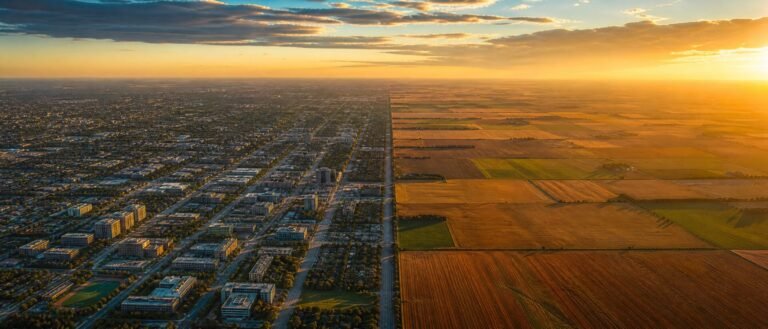
Imagine taking the whole of Mumbai, from the southern tip to its northern suburbs, and placing it inside Dholera. You would still have room left over for a city half of Mumbai’s size. Or picture all of Singapore, with its airport, port and business districts, and then add another quarter on top. That is the canvas Dholera is working with.
Dholera size in everyday terms
Numbers only mean so much, so here are a few everyday ways to feel the Dholera size. Driving straight across the region can take close to an hour on open roads. The Ahmedabad–Dholera Expressway alone runs 109 km from Ahmedabad’s ring road down to the coast. And the region stretches along the Gulf of Khambhat, with flat land that runs to the horizon in most directions.
Another way to think about Dholera size is in football pitches. A standard pitch is about 0.007 sq km, so 920 sq km would hold well over a hundred thousand of them. Or think of it as dozens of large townships placed side by side, each with its own homes, offices and parks, all connected by planned roads and utilities.
- By road: long straight corridors connect different zones.
- By land use: industry, housing, commerce and green belts each get their own areas.
- By time: development spreads out over decades, not years.
Why Dholera Size Is a Big Advantage
Most Indian cities face the same problem: they grew faster than their plans. Roads were widened after traffic arrived, drains were added after floods, and industry was pushed to the edges. Dholera’s scale lets planners avoid those mistakes:
- Room for heavy industry: chip fabs and data centres need large, flat plots with space for utilities.
- Separation of uses: industrial, residential, commercial and green zones can be kept apart where it matters.
- Wide transport corridors: space is set aside for expressways, arterial roads and future metro lines.
- Green belts: large areas can stay open for agriculture, parks and flood management.
- Future growth: new phases can be opened without squeezing existing neighbourhoods.
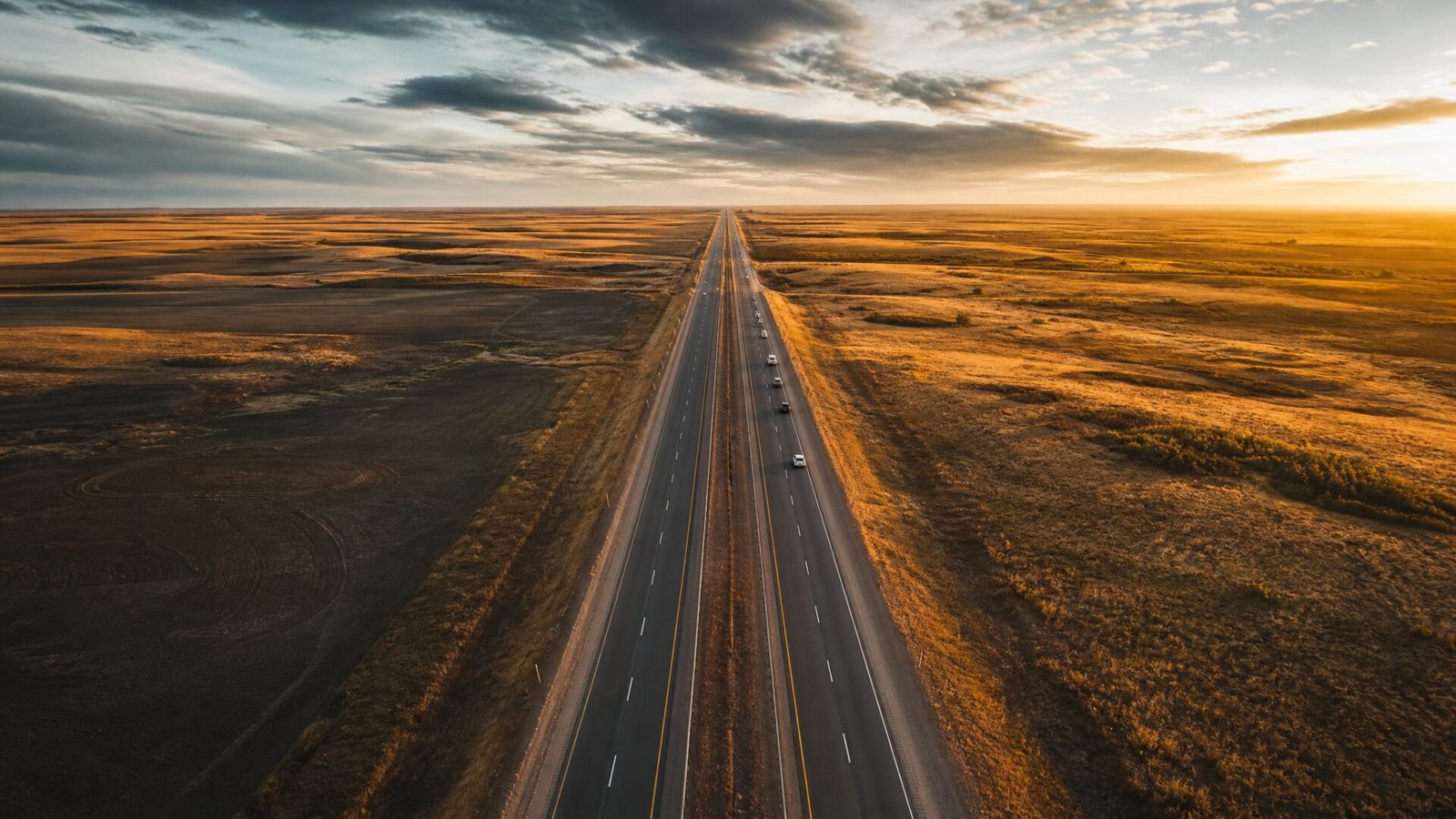
Not all 920 sq km will be concrete
An important point: Dholera size does not mean 920 sq km of buildings. Only part of the region is planned for urban development, and large areas are set aside for agriculture, green buffers, water bodies and infrastructure. That balance is part of what makes it a smart city rather than simply a big one.
Dholera Size vs Other New Cities
Around the world, governments have built new planned cities before, but very few at this scale. Many new towns cover a few dozen square kilometres. Dholera size puts it in a different league, closer to a regional plan than a single township. That brings big advantages in flexibility, but also means patience is needed, because a region this large cannot be filled in overnight.
What makes the difference is how the space is used. Rather than spreading development thinly everywhere, Dholera concentrates early growth in the activation area and along key corridors, then expands outward. That keeps infrastructure costs manageable and helps each new neighbourhood feel complete, instead of half-built. It is a sensible way to handle Dholera size, and it is why the location of any plot within the region matters so much.
How Dholera Is Being Built, Piece by Piece
No city this size is built at once. Dholera is divided into six town planning (TP) schemes, each split into smaller sub-schemes that are developed in phases. The first fully serviced zone, the activation area, covers about 22.5 sq km. That alone is roughly a fifth of Chandigarh.
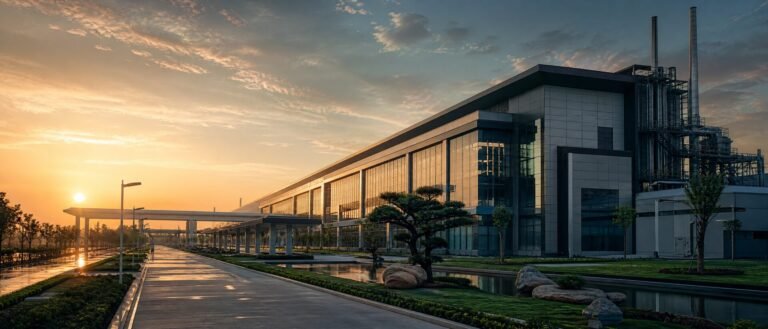
In the activation area, roads, storm drains, underground utilities and a command and control centre are already in place. Big anchors are arriving around it: the Tata Electronics chip fab, which recently signed up global lithography leader ASML, a planned 250 MW AI data centre from L&T Vyoma, and the 109 km Ahmedabad–Dholera Expressway, which opened in March 2026. Read more in our story on the Tata ASML partnership.
This step-by-step approach also means you can literally watch the Dholera size being filled in. Each year, a few more roads open, a few more buildings rise and a few more companies arrive. Visiting every six months or so is one of the best ways to understand how fast things are really moving on the ground.
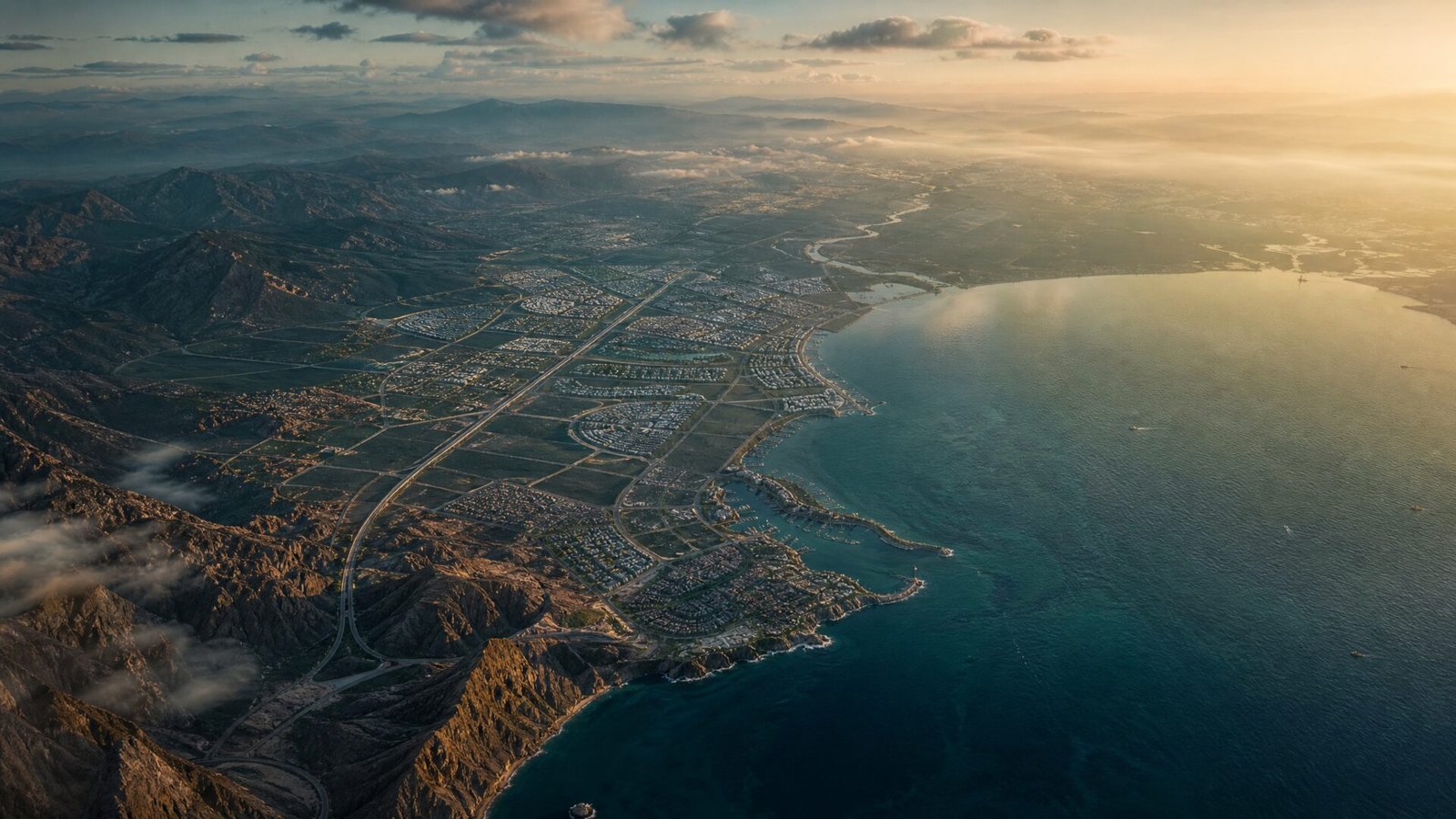
What Dholera Size Means for Buyers
For anyone thinking about land, Dholera size cuts both ways. The good news is that there is a lot of room for growth. The catch is that different parts of the region will develop at very different speeds. A plot near the activation area, the expressway or the airport is in a very different position from one in a far-future scheme.
- Location matters more than the name: “Dholera” covers a huge area, so always check exactly where a plot is.
- Check the phase: find out whether roads and utilities already exist nearby or are years away.
- Follow the anchors: the fab, the expressway and the airport are pulling growth in specific directions.
- Verify documents: approvals and clear titles matter everywhere, but especially in a region this large.
That’s the thinking behind Gulfin Aerocity at Pipli junction, near the upcoming Dholera International Airport: approved, clear-title plots in a location with real connectivity. As always, returns depend on market conditions.
A City Built for the Next Century
Mumbai and Singapore became great cities over generations, often by squeezing more into limited space. Dholera starts with the opposite problem: more space than it needs today. That gives it a rare chance to grow the right way, with room for industry, homes, parks and transport to expand together. Dholera size is not just a statistic. It is the foundation of the whole plan.
For background, see the Dholera Special Investment Region overview. We post drone footage showing just how vast Dholera is on our YouTube channel.
So the next time someone calls Dholera a small project, you will know better. Few places in India can match its scale, and fewer still are planning that scale this carefully.
Dholera Size: FAQs
How big is Dholera SIR?
Dholera Special Investment Region covers about 920 sq km in Ahmedabad district, Gujarat.
Is Dholera bigger than Mumbai?
Yes. At about 920 sq km, Dholera is roughly 1.5 times the size of Mumbai, which covers about 600 sq km.
Is Dholera bigger than Singapore?
Yes. Singapore’s land area is about 735 sq km, so Dholera is roughly 1.25 times larger.
Will all of Dholera be built up?
No. Only part of the region is planned for urban development. Large areas are kept for agriculture, green belts, water bodies and infrastructure.
Which part of Dholera is developed first?
The 22.5 sq km activation area was serviced first, with roads, drains and utilities. Other areas follow in phases through the town planning schemes.
Follow Gulfin Developers
Site walkthroughs, Dholera updates and new launches, first on our channels.
Recent Posts