The 5-Step Water Secret Keeping Dholera Alive
In this story
Gujarat knows the value of water better than most places. Long dry seasons, heavy monsoons and a thirsty industrial base mean every drop counts. So when planners set out to build a smart city on the flat, low-lying Bhal coast, water had to be one of the first problems they solved. The result is Dholera water infrastructure designed as a complete cycle: bring water in, clean it, deliver it smartly, collect it, treat it and use it again.
Why should a land buyer care about pipes and treatment plants? Because water decides which industries a city can host and how comfortable daily life will be. A chip fab can use millions of litres a day. A data centre needs cooling. Families need clean, reliable taps. A city that gets water right can grow. One that doesn’t, struggles.
So how does Dholera’s system actually work?
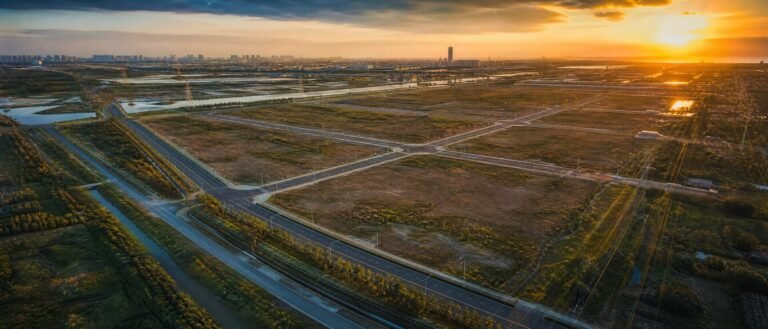
A quick bit of context. Dholera Special Investment Region covers about 920 sq km near the Gulf of Khambhat. Its first fully serviced zone, the 22.5 sq km activation area, was built with roads, drains and utilities before most buildings arrived. That is where the water system can be seen today. Planners have said the region’s Narmada-linked supply is enough to serve several semiconductor fabs, alongside homes and businesses.
Funding keeps coming too. Gujarat’s 2026 budget set aside about ₹610 crore for Dholera’s trunk infrastructure, including water supply and wastewater treatment.
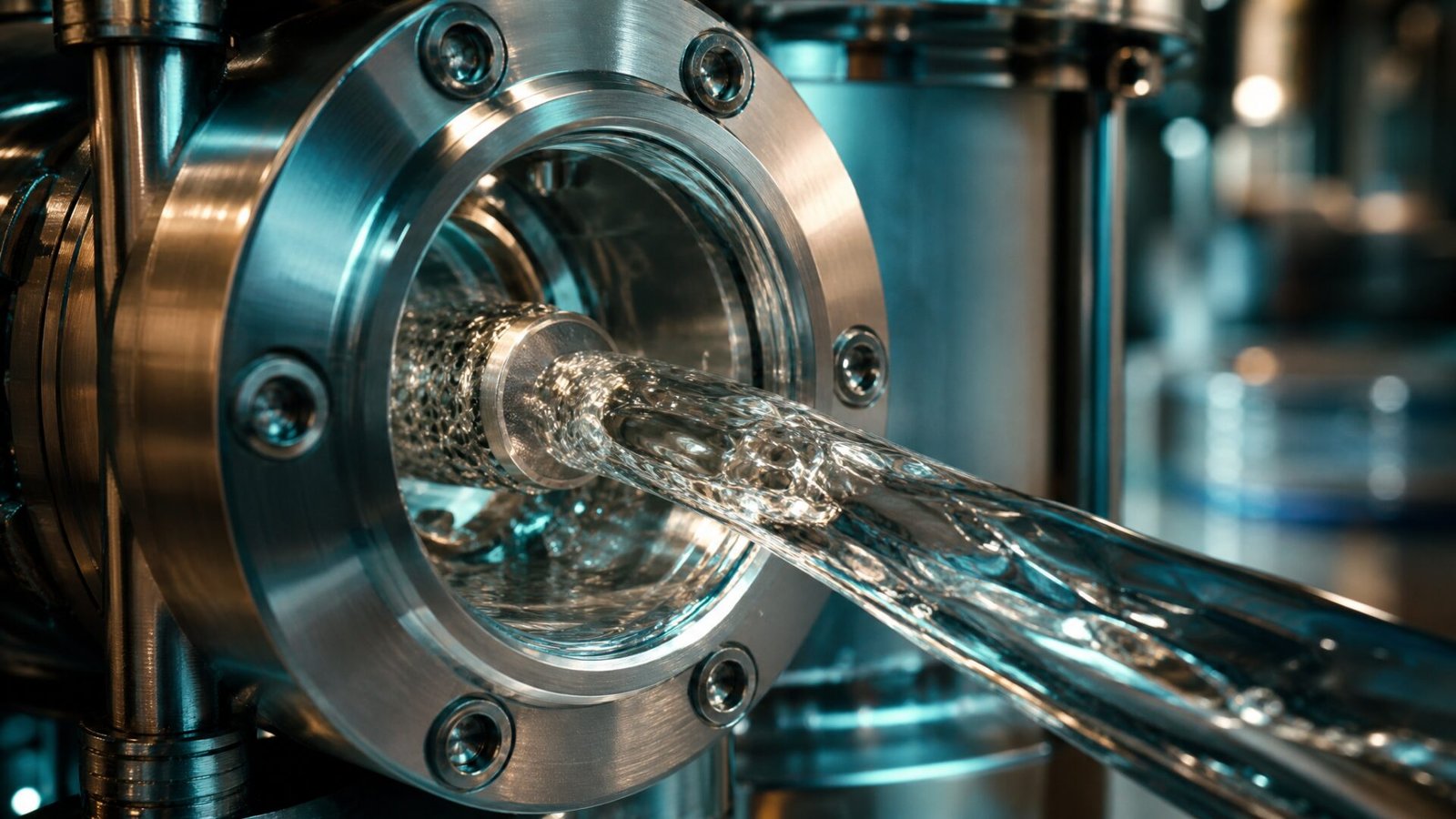
The 5 Stages of Dholera Water Infrastructure
Think of the system as a loop rather than a one-way pipe. Here are its five stages:
- Stage 1 – Source: raw water is brought in from the Narmada-linked supply network and stored in reservoirs.
- Stage 2 – Treatment: a water treatment plant, reported at around 50 million litres a day for the activation area, cleans the water through settling, filtration and disinfection.
- Stage 3 – Smart distribution: treated water flows through underground pipes, with smart meters and leak detection helping cut losses.
- Stage 4 – Collection and treatment: used water goes through separate wastewater lines to treatment plants.
- Stage 5 – Recycling: treated wastewater is sent through a separate recycled-water network for gardens, cooling and industry.
This closed-loop design is what makes Dholera water infrastructure different from older cities, where water is often used once and then lost.
What "zero liquid discharge" means
You may see Dholera’s water system described as “zero liquid discharge” (ZLD). In industry, ZLD means treating and recycling wastewater so completely that almost no liquid waste leaves the site. Descriptions of Dholera’s recycling network point in that direction, but full ZLD across the city has not been officially confirmed. It is fairer to say Dholera is designed to reuse as much water as possible, with some industries likely to run true ZLD plants of their own.
How treated water is cleaned
Inside a modern treatment plant, water goes through several steps. First, chemicals help tiny particles clump together so they can settle out in large tanks called clarifiers. Next, the water passes through filters, often sand and carbon, that catch finer particles. Finally, it is disinfected so it is safe to drink. Sensors check quality at each step, and results are sent to the control room. Dholera water infrastructure is built around this kind of monitored, automated process, which keeps quality steady even as demand grows.
Wastewater follows its own path. It is screened, treated biologically and polished before being sent into the recycled-water network. That reused water can then irrigate parks, cool buildings or supply industries that don’t need drinking-quality water, which saves fresh water for homes. This two-network approach is one of the most practical features of Dholera water infrastructure.
Why Smart Distribution Matters
In many Indian cities, a large share of treated water is lost through leaks and unmetered connections before it ever reaches a tap. Dholera water infrastructure tackles this with technology:
- Smart meters: measure use at each connection so leaks and waste show up quickly.
- Leak detection: sensors flag pressure drops that suggest a broken pipe.
- Central monitoring: data flows to the city’s command and control centre, where operators can respond fast.
- Underground networks: pipes run through planned utility corridors, so repairs don’t mean digging up whole roads.

Built for Floods as Well as Droughts
Water isn’t only about supply. On the flat Bhal coast, too much water can be as big a problem as too little. That’s why Dholera water infrastructure includes serious flood protection. Reports from the activation area describe:
- More than 138 km of storm water drains.
- A 6.5 km man-made canal that carries rainwater out to the sea.
- A 3.5 metre flood bund along rivers.
- Land raised by about 1.5 to 1.8 metres using earth fill.
Officials have said heavy rainwater can now drain away in minutes rather than lingering for days. For homes and factories, that is a big deal.
The desalination question
Being on the coast gives Dholera another long-term option: desalination. Gujarat’s 2025–26 budget included early funding related to a desalination plant for the SIR. It is still at an early stage, but if built, it would add a drought-proof water source for the growing city and its industries.
Dholera water infrastructure vs older cities
- Older cities: pipes added piece by piece, often with high leakage and frequent road digging.
- Dholera water infrastructure: planned networks in utility corridors, with smart meters and leak detection.
- Older cities: drains built after neighbourhoods, so monsoon flooding is common.
- Dholera water infrastructure: storm drains, canal and flood bund designed before buildings arrived.
- Older cities: most wastewater used once and discharged.
- Dholera water infrastructure: a separate network to reuse treated water.
These differences may seem technical, but residents feel them every day, in steady water pressure, fewer floods and fewer disruptions. Over time, they also make Dholera water infrastructure cheaper to run and easier to expand.

Why Dholera Water Infrastructure Matters for Industry
Semiconductor fabs are among the most water-intensive factories on earth. They need ultrapure water to rinse wafers between process steps, and they typically recycle a large share of it. Data centres need water or chilled systems for cooling. Both prefer locations where supply is reliable and recycling is built in.
- For the Tata fab: a planned supply that planners say can support several fabs gives room to grow. Read about the fab’s global backers in our story on the Tata ASML partnership.
- For clean energy: green hydrogen needs water too, as we explored in our piece on green hydrogen in Gujarat.
- For residents: reliable taps and fewer floods make daily life easier.
What It Means for Buyers
When you look at land anywhere, ask about water first. Is there a reliable connection nearby? Who supplies it? How does the area handle heavy rain? In Dholera, the answers depend a lot on location: the activation area already has the full system, while other zones will be connected in phases.
Choose approved, clear-title plots with good access to existing infrastructure, and visit during the monsoon if you can. Gulfin Aerocity, near Pipli junction and the upcoming airport, is one such option. As always, returns depend on market conditions.
Questions to ask about water
Before buying a plot, ask three simple questions. Is a treated water connection already available at or near the site? Is there a proper storm drain on the road outside, and did the area flood in recent monsoons? And for projects outside the SIR, who is responsible for water supply and wastewater, the developer or a local authority? Clear, written answers will tell you far more than a brochure. Good water access is one of the best long-term protections for any property.
Every Drop, Planned
Most cities treat water as an afterthought until something goes wrong. Dholera water infrastructure was designed as a loop from the start: source, treatment, smart delivery, collection and reuse, all protected by serious flood defences. It is not glamorous, but it may be one of the smartest things about the smart city.
For background, see the Dholera Special Investment Region overview, and watch our on-ground tours on YouTube.
Dholera Water Infrastructure: FAQs
How does Dholera water infrastructure work?
It works as a loop: water is sourced from the Narmada-linked network, treated, distributed through smart underground pipes, collected as wastewater, treated again and reused through a recycled-water network.
How big is Dholera's water treatment plant?
The activation area’s treatment plant has been reported at around 50 million litres a day, supported by reservoirs.
Is Dholera a zero liquid discharge city?
Its recycling network is designed to reuse as much water as possible, but full city-wide zero liquid discharge has not been officially confirmed.
How does Dholera handle floods?
Through more than 138 km of storm drains, a 6.5 km canal to the sea, a 3.5 m flood bund and land raised by 1.5 to 1.8 metres.
Is there enough water for chip fabs in Dholera?
Planners have said the region’s supply is enough to serve several semiconductor fabs, alongside homes and businesses.
Follow Gulfin Developers
Site walkthroughs, Dholera updates and new launches, first on our channels.
Recent Posts