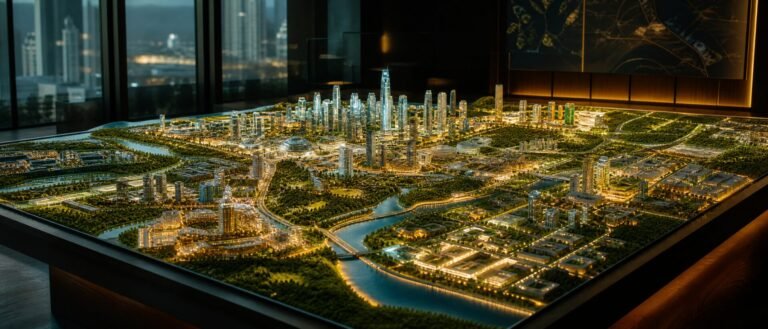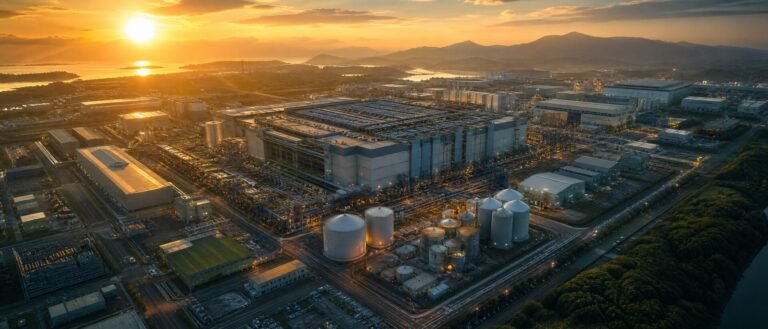
When Japan Comes to Town: Dholera's Ripple Effect
In this story
When a big Japanese company chooses a location, it rarely arrives alone. It brings suppliers, service partners, engineers and, often, a whole way of doing business that reshapes the neighbourhood around it. That is why the growing list of Japanese companies in Dholera‘s orbit deserves attention, not just from industry watchers but from anyone thinking about land and property in the region.
Why does nationality matter? Because Japanese manufacturers are known for building tight networks of suppliers close to their main plants, and for sending experienced staff to set up operations. Those staff need homes, offices, schools, restaurants and services. That creates a very specific kind of real estate demand.
So which Japanese names are already linked to Dholera, and what could follow?
First, a bit of history. Japan has been a key partner in India’s industrial corridors for years. The Delhi–Mumbai Industrial Corridor, which includes Dholera Special Investment Region, was developed with strong Japanese cooperation. Japan is also financing and supplying technology for the Mumbai–Ahmedabad high-speed rail line. And Gujarat already hosts major Japanese manufacturers, including Suzuki’s car plant in the north of the state.
So Japanese investment in Dholera isn’t a surprise. It’s a natural next step.

Tokyo Electron: The First Big Japanese Name
The clearest link so far is Tokyo Electron (TEL), one of the world’s largest makers of semiconductor manufacturing equipment. On 10 September 2024, TEL and Tata Electronics announced a strategic partnership covering:
- Equipment infrastructure for Tata’s semiconductor fab in Dholera.
- Support for Tata’s assembly and test facility in Assam.
- Training for Tata’s workforce on TEL equipment.
- Ongoing improvement and R&D programmes.
Tata Electronics CEO Dr Randhir Thakur said TEL’s expertise would help build a dynamic semiconductor ecosystem, while TEL President and CEO Toshiki Kawai said the partnership would significantly strengthen India’s semiconductor ecosystem. You can read the Tokyo Electron announcement. Reports have also mentioned TEL setting up local support offices near its customers’ projects, which is typical for equipment makers.
Why equipment makers bring people
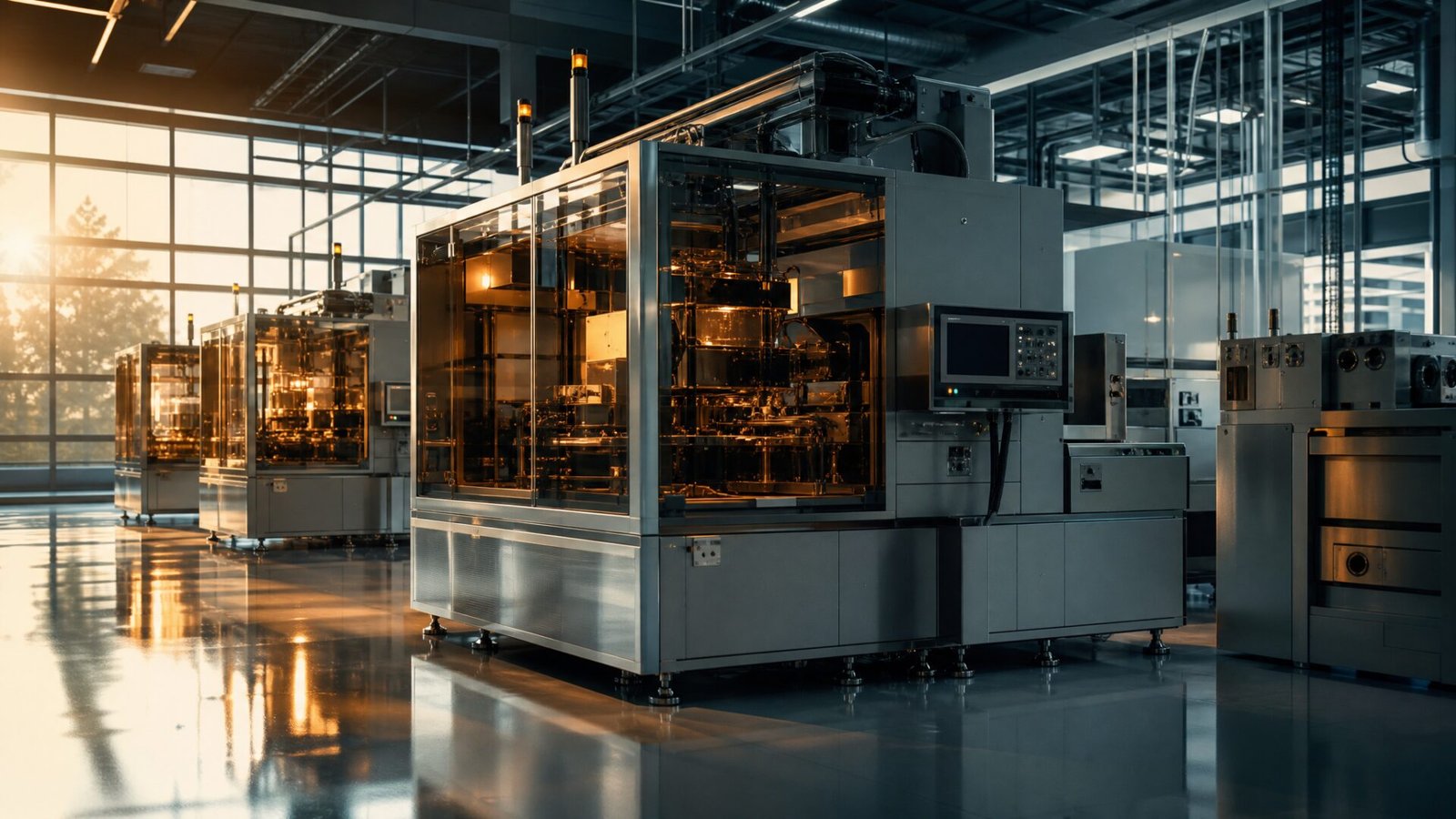
Chip tools need constant care. Equipment makers usually keep teams of field engineers close to each fab to install, maintain and upgrade machines. Those teams need offices, spare-parts storage and housing, often for years. That’s one of the first real estate effects of Japanese companies in Dholera.
How Japanese Companies in Dholera Could Grow
Japanese investment usually arrives in waves. First come the equipment makers and service teams, because a fab cannot start without them. Then come the materials and component suppliers, who want to be close to their biggest customer. Finally, a broader set of companies follows, from logistics firms to trading houses, as the ecosystem matures. Each wave adds more Japanese companies in Dholera and more demand for land and buildings.
- Wave 1: equipment makers and field service teams.
- Wave 2: materials, chemicals, gases and precision parts suppliers.
- Wave 3: logistics, trading, finance and support services.
Elsewhere in Asia, this pattern has turned single factories into large industrial clusters over a decade or two. If the same happens here, Japanese companies in Dholera could become a defining feature of the city’s economy, much as Japanese carmakers shaped industrial towns in other parts of India.
The Real Estate Ripple: 5 Ways Japanese Companies Change a Region
Based on how Japanese investment has shaped industrial areas elsewhere in India and Asia, here are five likely effects:
- 1. Supplier clusters: Japanese manufacturers often bring trusted suppliers along, creating demand for industrial plots and warehouses nearby.
- 2. Expat housing: senior engineers and managers need quality serviced apartments and family homes.
- 3. Office space: support, engineering and admin teams need modern offices close to the plant.
- 4. Lifestyle services: restaurants, international schools, clinics and shops tailored to international staff.
- 5. Higher standards: Japanese firms tend to expect high-quality construction, safety and infrastructure, which lifts the bar for the whole area.
Commercial zoning in focus
Dholera’s town planning schemes set aside land for industrial, commercial, residential and mixed uses. As Japanese companies in Dholera grow in number, demand is likely to rise first for industrial and logistics plots near the fab, then for commercial and residential land in well-connected zones. Buyers should check the zone of any plot, because what you can build decides who you can serve.
What Japanese companies in Dholera will look for
From experience in other regions, Japanese companies in Dholera are likely to look for a few specific things when choosing property: reliable, high-quality utilities; buildings that meet strict safety and quality standards; secure, well-managed industrial parks; and comfortable housing within a short commute for their staff. Developers and landowners who can meet those standards may find steady, long-term tenants. That makes build quality and good management just as important as location for anyone hoping to serve this market.
Why Japanese Companies in Dholera Makes Sense
Dholera offers several things Japanese investors look for:
- Planned infrastructure: roads, power, water and drainage built in advance. See our story on plug-and-play infrastructure.
- An anchor customer: Tata’s fab, which also works with global partners like ASML.
- Government backing: central and state support for semiconductors and industrial corridors.
- Connectivity: the expressway is open, and Dholera International Airport is nearing completion.
Put simply, Japanese companies like to follow a strong anchor into a well-prepared site. Dholera now has both.
Lessons from Gujarat's existing Japanese hubs
Gujarat already offers a preview of what can happen. Around the state’s Japanese-linked manufacturing areas, supplier parks, worker housing, hotels and restaurants have grown alongside the main plants. Local businesses have learned to meet Japanese standards on quality and timing, and many have become long-term suppliers themselves. The same kind of growth could follow Japanese companies in Dholera, especially once the chip fab is running and its suppliers begin to settle nearby.
There is also a cultural side. Japanese restaurants, grocery stores and community events often appear once a group of expatriate families settles in an area. Those small touches make a place more comfortable for international staff, which in turn helps companies attract and keep talent. Over time, they become part of a city’s character.
What It Means for Land Buyers
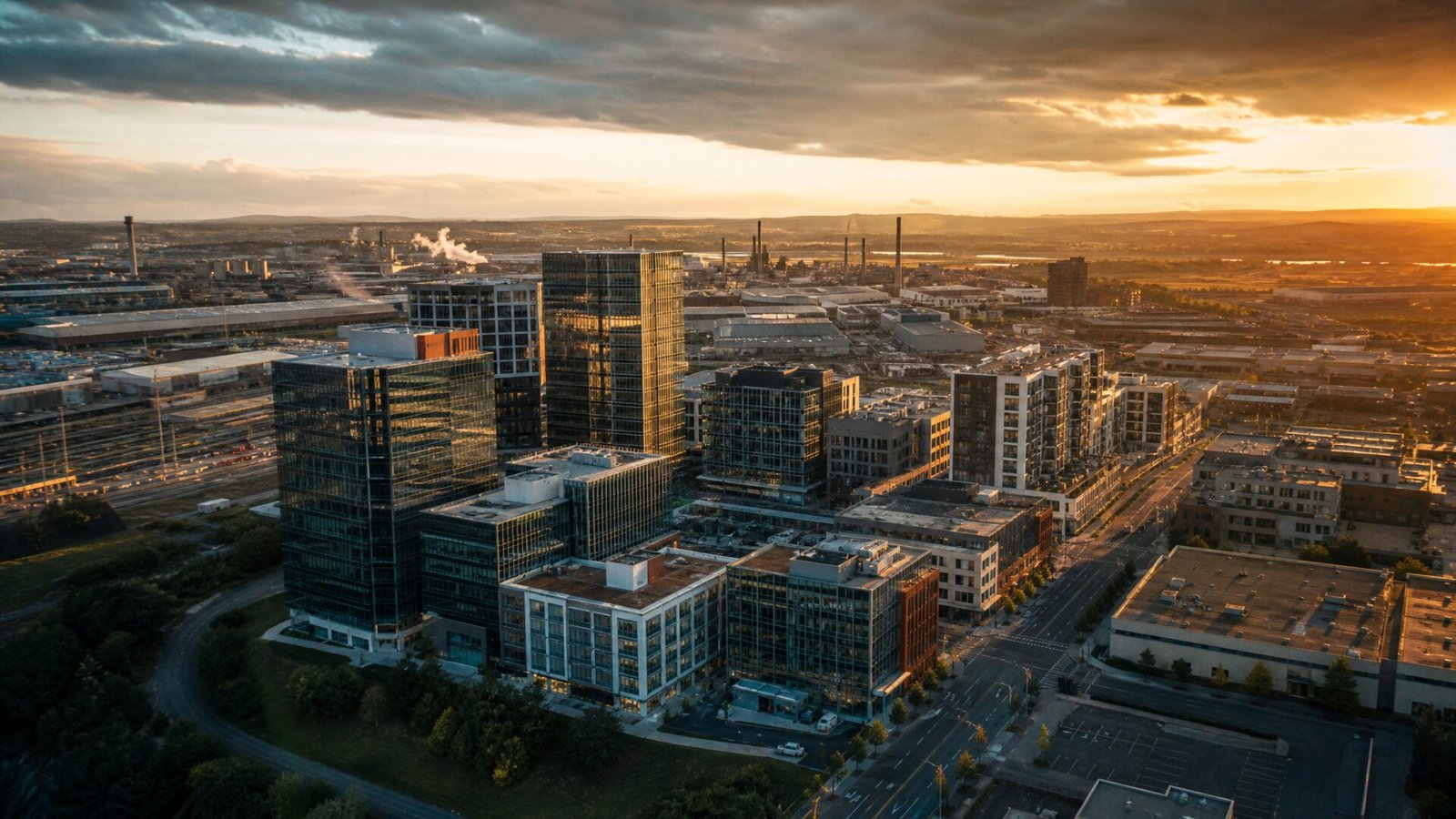
The arrival of global manufacturers usually lifts demand for well-located, well-documented land, especially near industrial zones and transport links. But it happens gradually, and not every plot benefits equally. Focus on approved, clear-title land with real access to the SIR, the expressway and the airport. Gulfin Aerocity, at Pipli junction near the upcoming airport, is one example. As always, returns depend on market conditions and are never guaranteed.
For a look at how rental demand could grow as companies arrive, read our story on Dholera rental yield.
A simple checklist for buyers
If the arrival of Japanese companies in Dholera is part of your reason for looking at land, keep it practical. Check how far the plot is from industrial zones by real road. Confirm its zoning and approvals. Think about who could use the land in future: a supplier, a worker, a shop owner or a family. And remember that the effect of Japanese companies in Dholera will build over years, so plan for a long holding period rather than a quick gain.
The Next Chapter
Tokyo Electron was the first big Japanese name tied to Dholera’s chip story. It is unlikely to be the last. Semiconductor fabs depend on a deep supply chain of materials, gases, chemicals and precision parts, and Japan leads the world in many of them. As the Tata fab moves toward production, more Japanese companies in Dholera’s supply chain could follow, and with them, a fresh wave of demand for land, offices and homes.
For now, the story is still early. But the direction is clear, and the first Japanese companies in Dholera have already shown that the region is on the map for serious global manufacturers. Keep watching the supply chain news around the Tata fab. That is where the next names are most likely to appear.
Japanese Companies in Dholera: FAQs
Which Japanese companies are linked to Dholera?
Tokyo Electron signed a strategic partnership with Tata Electronics in September 2024 covering equipment infrastructure and training for the Dholera fab. More Japanese suppliers are expected as the chip ecosystem grows.
Why do Japanese companies bring suppliers with them?
Japanese manufacturers often work with long-term supplier networks and prefer them close by for quality and speed, which creates supplier clusters.
How could Japanese investment affect Dholera real estate?
It may raise demand for industrial plots, warehouses, offices, serviced apartments and quality housing near industrial zones, though effects build gradually.
What is Japan's role in the industrial corridor?
Japan has been a key partner in the Delhi–Mumbai Industrial Corridor, which includes Dholera SIR, and is financing the Mumbai–Ahmedabad high-speed rail line.
Should I buy land because of Japanese investment?
Treat it as one positive signal among many. Always check approvals, zoning, title and access, and remember that price growth is never guaranteed.
Follow Gulfin Developers
Site walkthroughs, Dholera updates and new launches, first on our channels.
Recent Posts