How Dholera Plans to Save Lives in Minutes
In this story
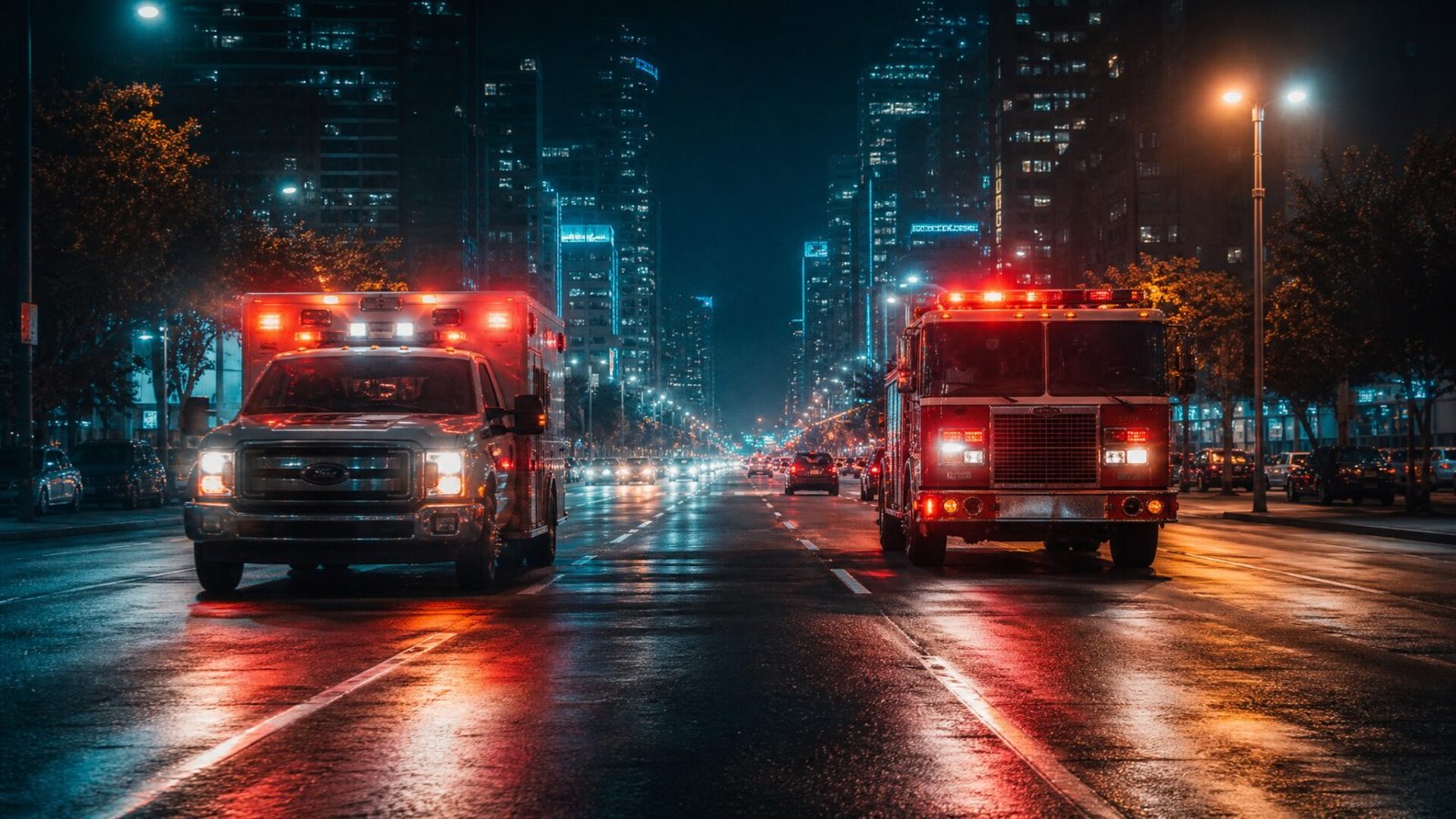
Nobody chooses a city because of its fire station. But when something goes wrong, it is the only thing that matters. A fire in a factory, a medical emergency at night, a flooded road during the monsoon: in each case, minutes decide the outcome. That is why Dholera emergency response is being designed into the city from the start, rather than added after problems appear.
Why should investors and families care? Because safety is part of what makes a place liveable, and it is a key requirement for the big industries Dholera wants to attract. Chip fabs, chemical suppliers and data centres all need strong emergency services before they commit.
So what is Dholera building, and what’s still on the way?
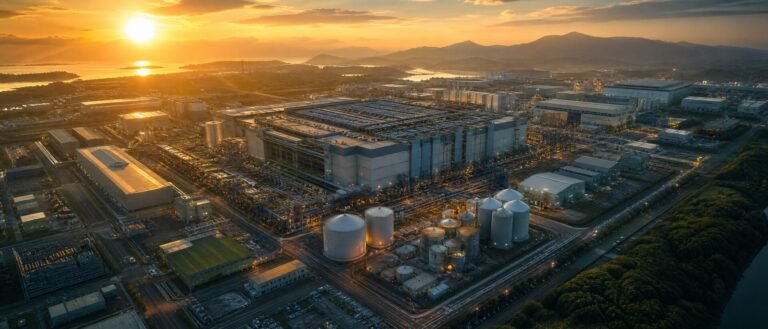
Let’s start with what’s funded. In its 2025–26 budget, Gujarat allocated about ₹25 crore for a fire station in Dholera Special Investment Region, alongside about ₹170 crore for social infrastructure including a hospital and a school, according to DeshGujarat’s budget report. Dholera also already has an integrated command and control centre that monitors the city through thousands of sensors.
Together, these form the backbone of a modern emergency system: responders on the ground, a hospital for care, and a digital brain that sees problems early.
The Building Blocks of Dholera Emergency Response
A modern emergency system has several layers, and Dholera is putting each in place:
- Fire and rescue: a funded fire station with modern firefighting vehicles and equipment.
- Medical care: a planned hospital as part of the SIR’s social infrastructure.
- Command and control: a central centre that watches sensors, cameras and city systems.
- Smart roads: wide, planned roads that let emergency vehicles move quickly.
- Water on demand: underground water networks, including a separate recycled-water system, that can support firefighting needs.
How Dholera emergency response compares with older cities
- In many older cities: fire stations serve dense, congested areas, and narrow lanes slow down fire engines.
- With Dholera emergency response: wide, planned roads and a central command centre aim to cut travel time.
- In many older cities: emergency calls are often the first alert.
- With Dholera emergency response: sensors and cameras can raise an alarm earlier.
- In many older cities: hydrants may be missing or low on pressure.
- With Dholera emergency response: planned water networks make reliable supply easier.
None of this makes emergencies disappear, but it gives responders a better chance of arriving quickly and working effectively. That is the real promise of Dholera emergency response: not perfection, but a system designed so that each minute counts.
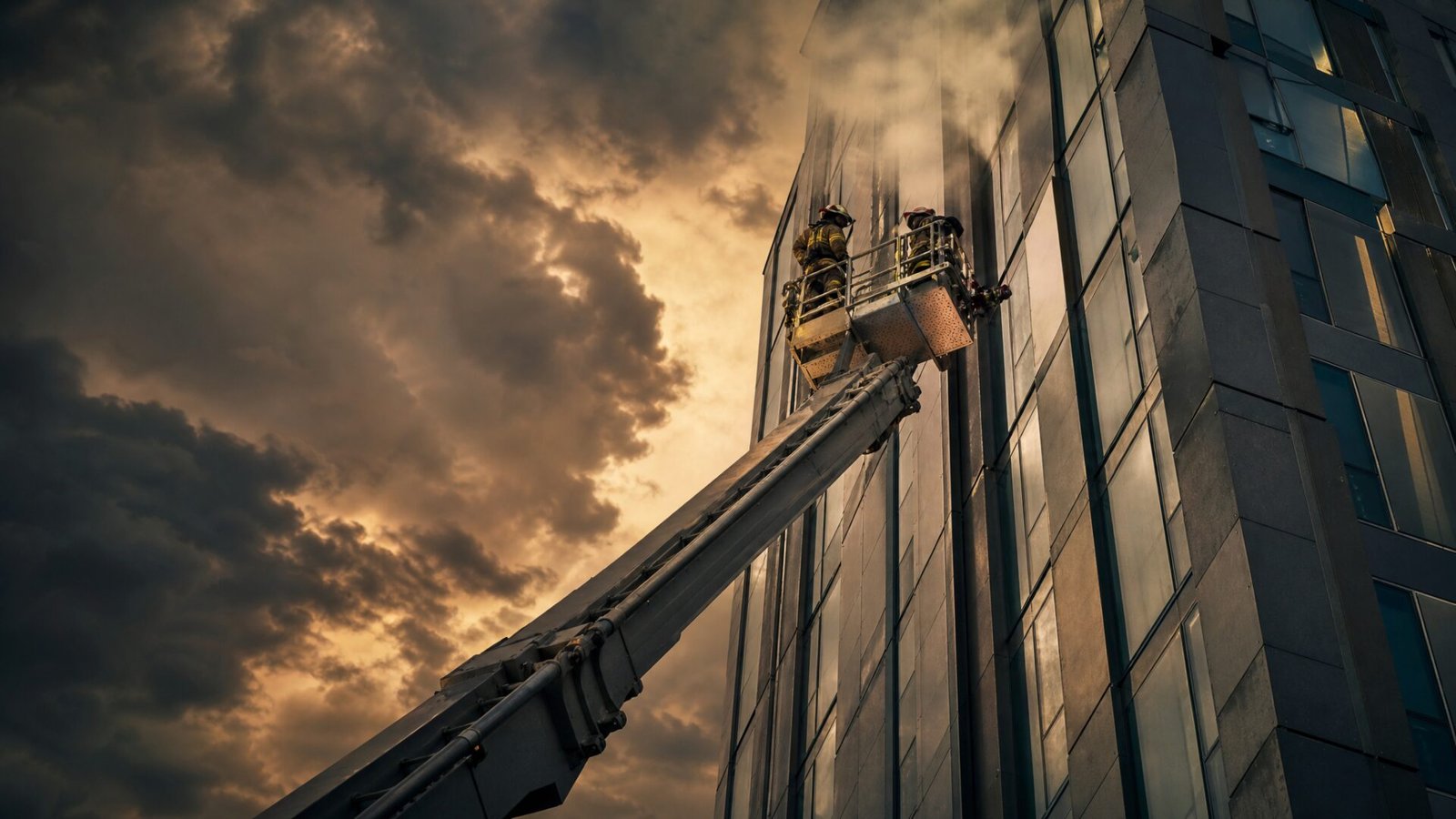
What is a 40-metre hydraulic platform?
Online videos about Dholera’s fire services mention a 40-metre hydraulic platform, sometimes called a “snorkel”. Full official specifications haven’t been published, so treat the exact figure as reported. But it’s worth explaining what such a machine does. A hydraulic platform is a fire truck with a long, jointed boom and a cage at the top. It can lift firefighters and hoses high above the ground to fight fires on upper floors or rescue people from windows and roofs. At 40 metres, that is roughly 13 floors, enough to reach most mid-rise buildings and tall industrial structures.
For a growing city with future towers, warehouses and factories, that kind of equipment is essential. It is one of the clearest signs that Dholera emergency response is being planned for the city it will become, not just the one it is today.
The Digital Brain: Smart Sensors and Central Command
The biggest difference between Dholera and older cities is data. Dholera’s command and control centre connects to sensors across the city, and that changes how emergencies are handled:
- Early warning: sensors can flag unusual heat, smoke, water levels or pressure drops.
- Live video: cameras help operators understand an incident before crews arrive.
- Faster routing: operators can guide fire engines and ambulances along the quickest roads.
- Coordinated response: police, fire, medical and utility teams can work from the same picture.
- Flood monitoring: storm-water levels are tracked during heavy rain.
In many cities, the first call to emergency services is the first sign of trouble. In a well-run smart city, the system may already know.

Recycled Water as a Safety Asset
Firefighting takes a lot of water. Dholera’s water system is built as a loop, with a separate network for treated, recycled water alongside drinking water. Planned water networks and utility corridors make it easier to provide reliable supply for hydrants and firefighting without drawing on drinking water. You can read how the system works in our story on Dholera water infrastructure.
Built for floods, too
Dholera sits on a low-lying coast, so flood response is part of emergency planning. More than 138 km of storm drains, a 6.5 km canal to the sea, a 3.5 metre flood bund and raised land levels all reduce flood risk, while the command centre watches water levels in real time.
What a Dholera Emergency Response Call Could Look Like
Imagine a small fire starts in a warehouse late at night. A heat sensor or camera flags the problem at the command centre. An operator checks the live feed and alerts the fire station. The system suggests the fastest route and, where possible, adjusts traffic signals. As the fire engine sets out, the operator shares the building plan and nearest hydrant details with the crew. If the fire is high up, the hydraulic platform can be sent too. An ambulance is put on standby, and police are asked to keep roads clear.
That joined-up approach is what Dholera emergency response aims for: everyone working from the same information, at the same time. In older cities, each of those steps often depends on phone calls and guesswork. In a planned smart city, much of it can happen automatically. As the city grows, this system will be tested and improved, but the foundations of Dholera emergency response are already being laid.
Why Dholera Emergency Response Matters for Industry
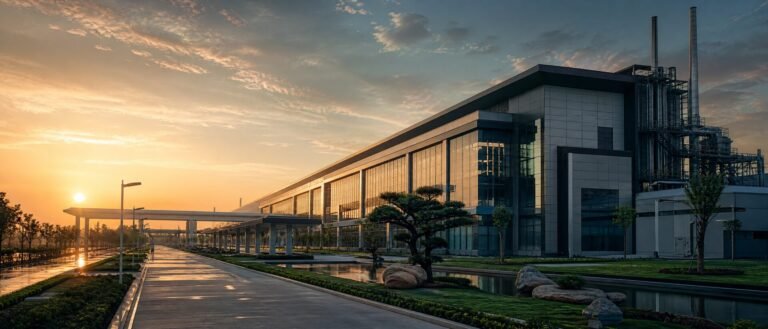
Big industrial investors do detailed safety checks before choosing a site. A chip fab handles specialty gases and chemicals. A data centre holds huge amounts of electrical equipment. A logistics hub stores goods worth crores. All of them need to know that professional emergency services are close by and well equipped.
- Faster approvals: strong public safety infrastructure makes it easier for plants to meet safety rules.
- Insurance: good fire cover can lower risk for insurers and operators.
- Worker confidence: employees and families feel safer living nearby.
That is part of why Dholera’s anchor projects, such as the Tata fab backed by ASML, value a planned city over an unplanned one. Read more in our story on the Tata ASML partnership.
What It Means for Families and Buyers
When you choose where to live or invest, safety services are easy to overlook. They shouldn’t be. Ask how far the nearest fire station and hospital are, how quickly emergency vehicles can reach the area, and whether roads are wide and well connected. In Dholera, the planned road network and central command give newer areas a head start.
If you are considering land in the region, look for approved, clear-title plots with good road access. Gulfin Aerocity, near Pipli junction and the upcoming airport, was planned with connectivity in mind. As always, returns depend on market conditions.
What to watch next
Keep an eye on a few milestones: the fire station opening with its full fleet, the hospital starting services, and emergency drills involving the command centre and local industries. Each one will show Dholera emergency response moving from plan to practice. For families, those milestones matter as much as any factory announcement.
Safety, Planned From Day One
Most cities build emergency services after they grow, often too late. Dholera emergency response is being built alongside the roads and pipes: a funded fire station, reported high-reach hydraulic equipment, a hospital, recycled water networks and a digital command centre watching it all. It is one of the quietest parts of the smart city story, and one of the most important.
We share updates on Dholera’s civic infrastructure on LinkedIn and Facebook.
Dholera Emergency Response: FAQs
Does Dholera have a fire station?
Gujarat’s 2025–26 budget allocated about ₹25 crore for a fire station in Dholera SIR, as part of its social and civic infrastructure plans.
What is a hydraulic platform?
A fire truck with a long jointed boom and a cage that lifts firefighters high above the ground. A 40-metre platform can reach roughly 13 floors. Online videos mention one for Dholera; official specifications have not been published.
How does Dholera's command centre help in emergencies?
It monitors thousands of sensors and cameras, helps spot problems early, and coordinates fire, police, medical and utility teams.
Is there a hospital in Dholera?
A hospital is part of the social infrastructure funded in Gujarat’s 2025–26 budget, along with a school.
How does Dholera handle flooding?
Through extensive storm drains, a canal to the sea, a flood bund, raised land levels and real-time monitoring from the command centre.
Follow Gulfin Developers
Site walkthroughs, Dholera updates and new launches, first on our channels.
Recent Posts