400 Acres, 14 Galleries: India's Mega Museum
In this story
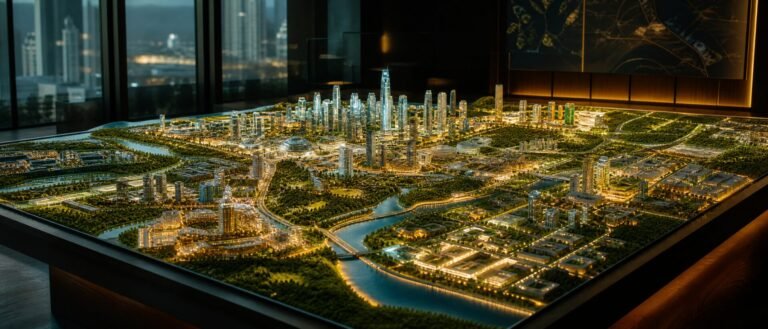
Most museums fit inside a building. This one needs 400 acres. The National Maritime Heritage Complex (NMHC) at Lothal, a short drive from Dholera, is being designed as one of the largest heritage projects India has ever attempted: galleries, recreated ancient towns, themed parks, a lighthouse museum, research centres and hotels, all telling the story of India’s 5,000-year relationship with the sea.
Why should people interested in Dholera pay attention to a museum? Because scale changes everything. A small museum brings a few buses of schoolchildren. A 400-acre destination can bring hundreds of thousands of visitors a year, and with them hotels, restaurants, transport services and jobs. Its scale is what makes it matter.
So what exactly is being built on those 400 acres?
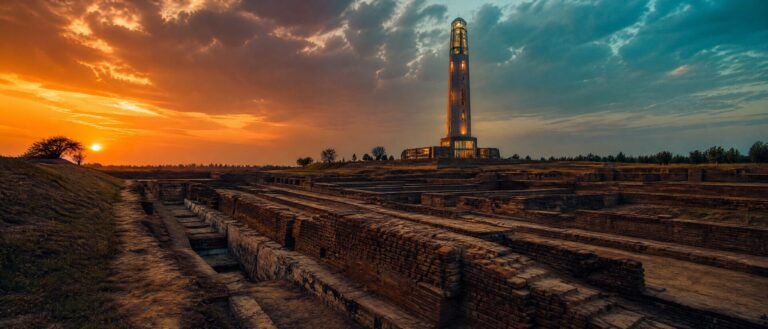
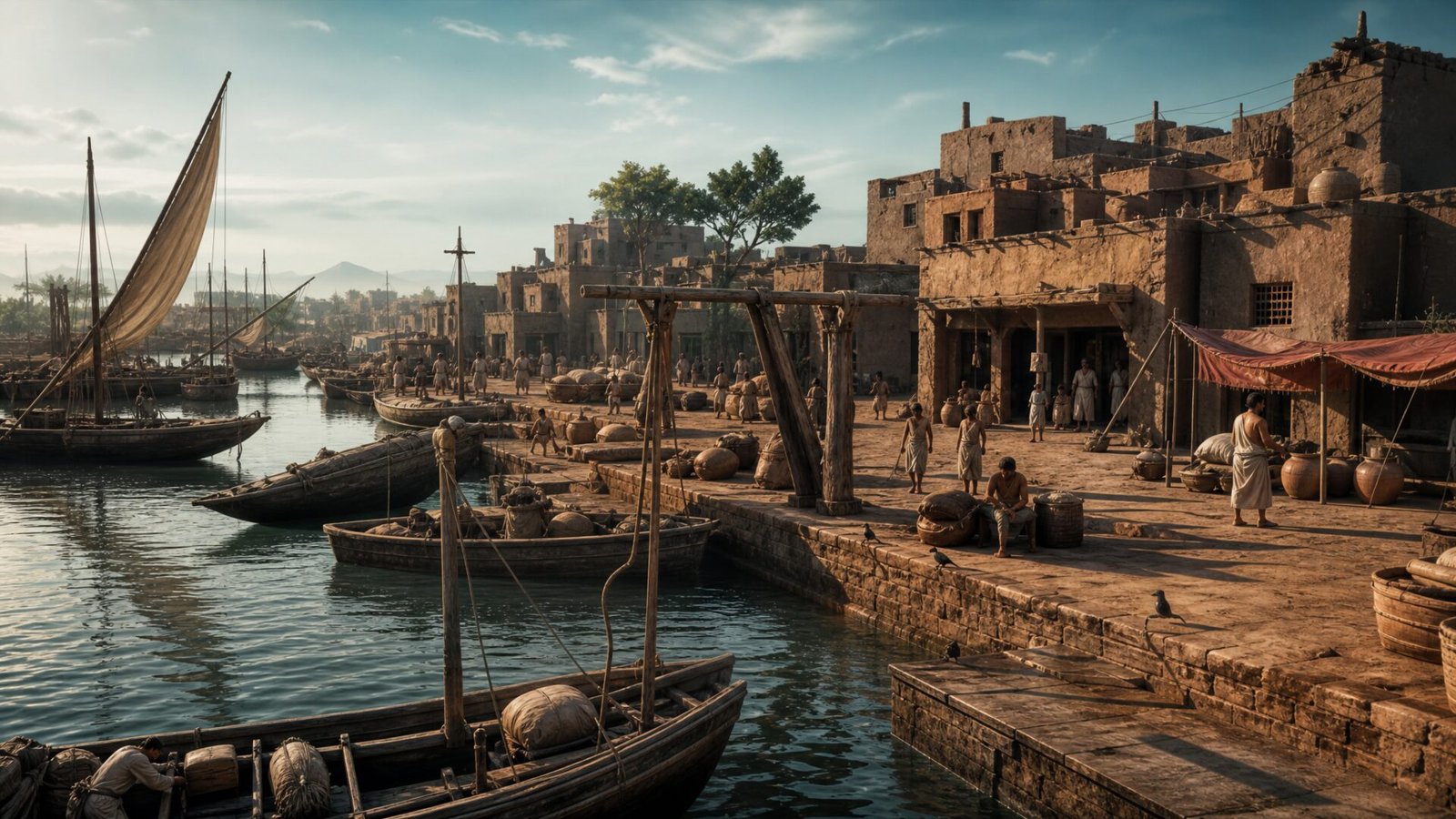
First, why Lothal. Around 4,500 years ago, Lothal was a thriving port of the Harappan (Indus Valley) civilisation, home to what many historians consider one of the world’s oldest known dockyards. Ships from Lothal traded beads, cotton and metals across the Arabian Sea. The site sits in Ahmedabad district, roughly 35 km north of the core of Dholera Special Investment Region as the crow flies.
Prime Minister Narendra Modi laid the foundation stone of the complex on 4 March 2019. It is being developed under the central government’s Sagarmala programme, with architect Hafeez Contractor as principal consultant and Tata Projects building Phase 1A.
The National Maritime Heritage Complex Blueprint
Here’s the scale of the plan, based on published project details:
- Land: about 400 acres, including around 375 acres for the complex and 25 acres for staff housing.
- Budget: about ₹4,500 crore in total.
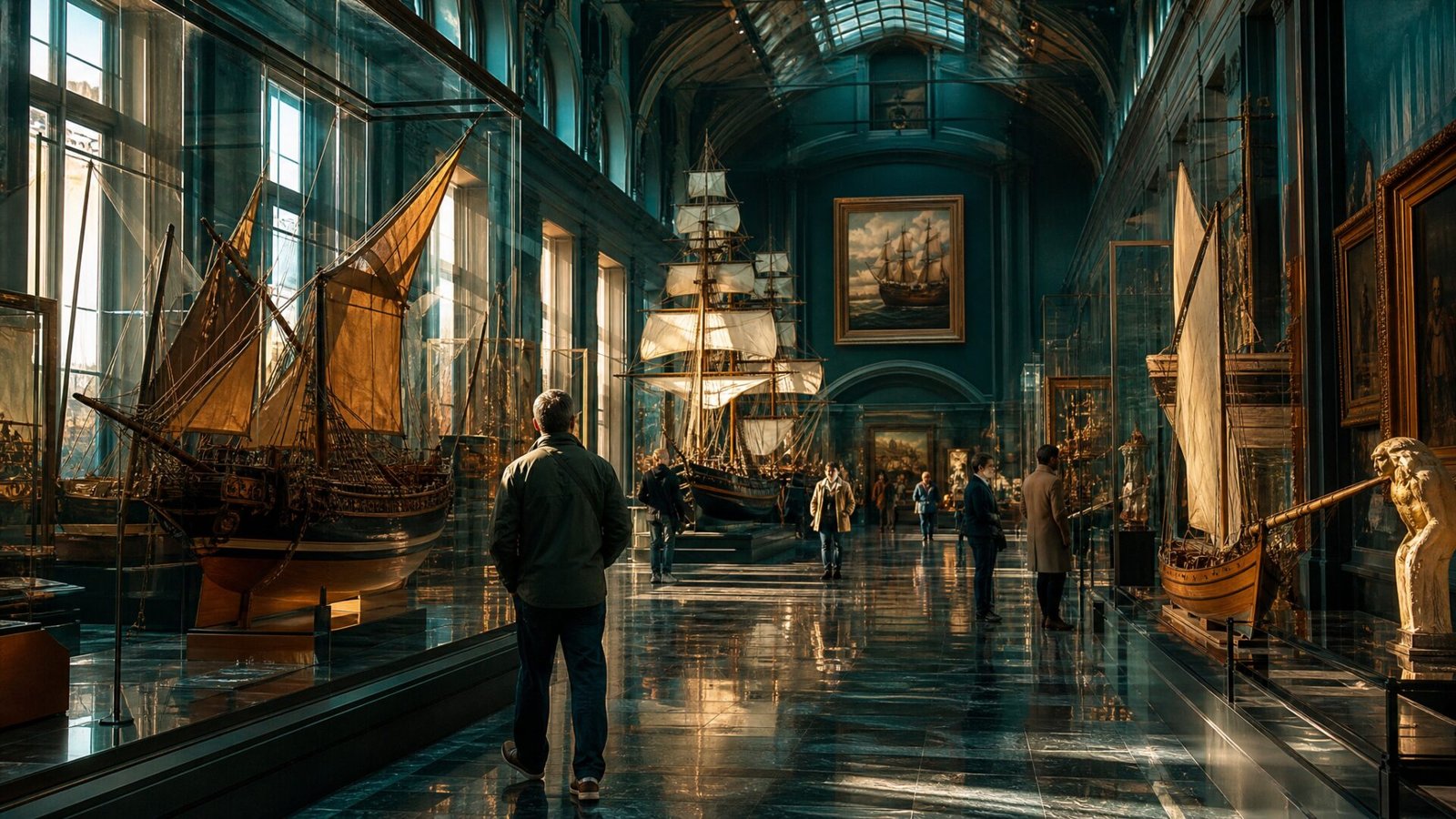
- Museum: 14 galleries tracing India’s maritime history from the Harappan era to the present.
- Recreated cities: reconstructions of ancient Lothal and Dholavira.
- Parks: themed parks for families and school groups.
- Research and learning: a maritime institute.
- Stay: hotels and a resort for visitors.
That’s closer to a heritage city than a museum.
Phase 1A: the first chapter
Phase 1A focuses on the core experience. According to a May 2026 report in The Week, it includes six museum galleries, a recreation of the ancient Lothal township, aquatic and common-area theming, a jetty walkway and a display of Indian Navy artefacts. Union Minister Sarbananda Sonowal set a July 2026 target for Phase 1A, and finishing works are continuing. He described the NMHC as a landmark initiative to showcase India’s rich maritime legacy.
Phase 1B: going bigger
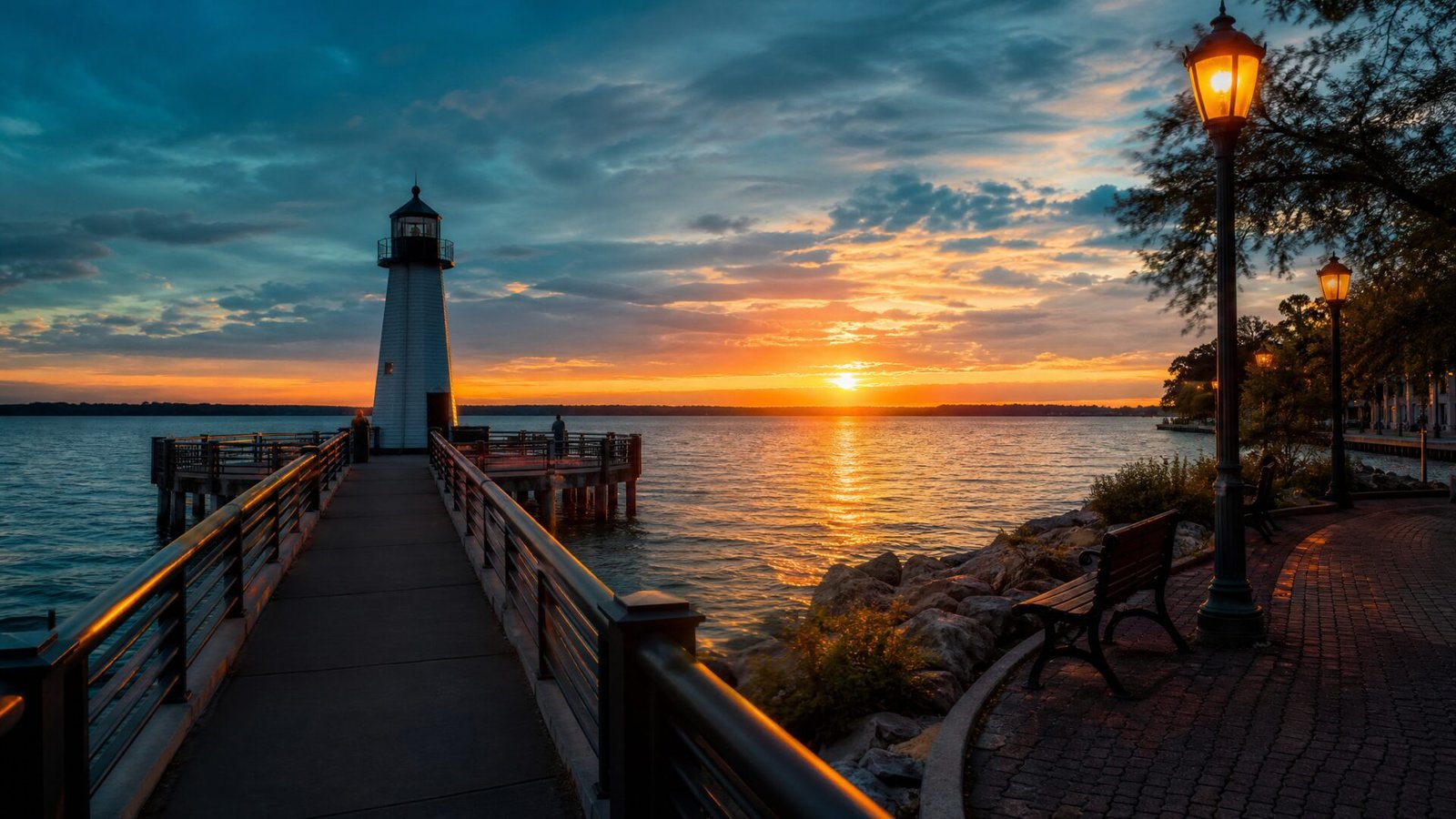
Phase 1B, with around ₹3,000 crore of additional investment, is planned to add eight more galleries, a lighthouse museum, a garden complex and a dome theatre. Later phases add the coastal-states showcase, research institute and hospitality projects.
Walking Through the National Maritime Heritage Complex
Imagine arriving at the National Maritime Heritage Complex on a winter morning. You start at the recreated Lothal township, walking narrow lanes between mud-brick homes and workshops, much as a trader might have done 4,500 years ago. From there, a path leads to the museum, where galleries take you from Harappan boats to the great trading fleets of later centuries and on to India’s modern navy.
After lunch, families might head for the themed parks, while students spend time in the research areas. Along the waterfront, the jetty walkway offers a view of the water that once carried ships to faraway ports. In later phases, the lighthouse museum and dome theatre will add even more to see. This is why the National Maritime Heritage Complex needs so much land: it is designed as a full day out, or a weekend, rather than an hour in a hall.
- Morning: ancient Lothal township and archaeological site.
- Midday: museum galleries and naval artefacts.
- Afternoon: themed parks, jetty walkway and waterfront.
- Future phases: lighthouse museum, dome theatre and more galleries.
A Global National Maritime Heritage Complex
What makes the project stand out is its international reach. By May 2026, ten countries had signed agreements to take part: the Netherlands, Denmark, Germany, South Korea, the UAE, Portugal, Vietnam, Oman, Israel and Thailand. Four more, including Italy and France, were in the pipeline.
These partnerships bring artefacts, expertise and stories from maritime nations around the world. They also give the National Maritime Heritage Complex something most Indian museums lack: built-in global audiences and cultural links that can draw foreign visitors, diplomats and researchers.
Why global partners matter
International partners do more than lend exhibits. They help the National Maritime Heritage Complex tell a truly global story of trade, exploration and cultural exchange. They can bring touring exhibitions, joint research and visitor links with their own maritime museums. Over time, that network can turn the National Maritime Heritage Complex into a stop on the itinerary of international travellers interested in history, not just a local attraction.
Why Scale Matters: The Economics of a Mega Museum
Large heritage destinations create economies around them. When a site needs a full day or more to explore, visitors stay overnight, eat locally, hire guides and buy souvenirs. That spending supports:
- Hospitality: hotels, resorts, homestays and restaurants.
- Transport: taxis, tour buses and, in time, flights.
- Retail and crafts: shops selling local products and handicrafts.
- Jobs: guides, staff, security, maintenance and events teams.
- Education: school trips, research visits and training programmes.
Officials have also asked for a full events calendar to keep visitors coming year-round, which suggests the NMHC is being planned as a living destination rather than a static museum.
How big is 400 acres, really?
Four hundred acres is about 1.6 sq km, or roughly the area of 300 football pitches. It is large enough to hold a small township. Most major museums in India sit on a few acres at most. That gives the National Maritime Heritage Complex space for outdoor exhibits, water features, parks, parking and future expansion that city-centre museums simply cannot match.
Space also means comfort. Wide walkways, shaded rest areas, food courts and proper parking make a big difference to how long visitors stay and how likely they are to return or recommend the trip to friends. In tourism, that word-of-mouth effect is often what separates a one-time attraction from a lasting destination.
- Room to grow: new galleries and attractions can be added in later phases.
- Room to breathe: open spaces make long visits pleasant, even on busy days.
- Room for events: festivals, exhibitions and school programmes can run year-round.
What the National Maritime Heritage Complex Means for Dholera
Dholera and Lothal are close neighbours, and each strengthens the other. Dholera brings the roads, the airport and new residents. Lothal brings a world-class reason to visit.
- Access: the Ahmedabad–Dholera Expressway, open since March 2026, and the upcoming Dholera International Airport make the region easier to reach. Read about the airport’s runway in our runway story.
- Quality of life: engineers at the Tata fab and their families get a major cultural attraction close to home.
- Diversified growth: tourism jobs complement industrial jobs, making the local economy more resilient.
For land buyers, heritage-led tourism tends to support steady demand for hospitality and commercial land along the routes visitors use. It won’t happen overnight, and no one can guarantee prices, but it adds another strong pillar to the region’s story. Gulfin Aerocity, near the airport at Pipli junction, sits well placed between these growth engines.
A 5,000-Year Story, Retold
Lothal was once India’s gateway to the world. The National Maritime Heritage Complex aims to make it one again, this time for visitors, students and scholars. With 400 acres, 14 galleries, a lighthouse museum and partners from around the globe, it is one of the most ambitious cultural projects in the country. And it is taking shape right next door to India’s newest smart city.
We’ll share photos and videos as the complex opens on Instagram and YouTube.
For anyone planning a visit, the best time is likely to be the cooler months from October to March, when outdoor walking is comfortable. Combine a trip to the National Maritime Heritage Complex with a drive through Dholera’s new roads, and you will see two very different faces of Gujarat’s future: its ancient past and its high-tech tomorrow, side by side.
National Maritime Heritage Complex: FAQs
What is the National Maritime Heritage Complex?
It is a large heritage destination being built near the ancient Harappan port of Lothal in Gujarat, with a 14-gallery maritime museum, recreated ancient cities, themed parks, a lighthouse museum, research facilities and hotels.
How big is the National Maritime Heritage Complex?
About 400 acres, including around 375 acres for the complex and 25 acres for staff housing, with a total budget of about ₹4,500 crore.
When will the NMHC open?
Phase 1A had a July 2026 target set by the Union Minister, with finishing works continuing. Later phases will follow over the coming years.
Which countries are partners?
By May 2026, ten countries had signed agreements, including the Netherlands, Denmark, Germany, South Korea, the UAE, Portugal, Vietnam, Oman, Israel and Thailand.
How far is Lothal from Dholera?
Roughly 35 km north of the core of Dholera SIR as the crow flies.
Follow Gulfin Developers
Site walkthroughs, Dholera updates and new launches, first on our channels.
Recent Posts